
Arizona is much more than the Grand Canyon. One trip can take you from towering red rocks and desert cactus to pine forests, slot canyons, historic towns, and wide-open Navajo landscapes. The best places to visit in Arizona include the Grand Canyon, Sedona, Antelope Canyon, Monument Valley, Phoenix, and several other destinations that each show a different side of the state.
Quick Answer:
For a first Arizona trip, start with the Grand Canyon and Sedona, then add Page for Antelope Canyon and Horseshoe Bend. Monument Valley is worth the longer drive if you have more time. Phoenix and Scottsdale work well at the beginning or end of a road trip, while Flagstaff and Tucson add cooler mountain scenery and desert experiences.
10 Best Places to Visit in Arizona
1. Grand Canyon National Park
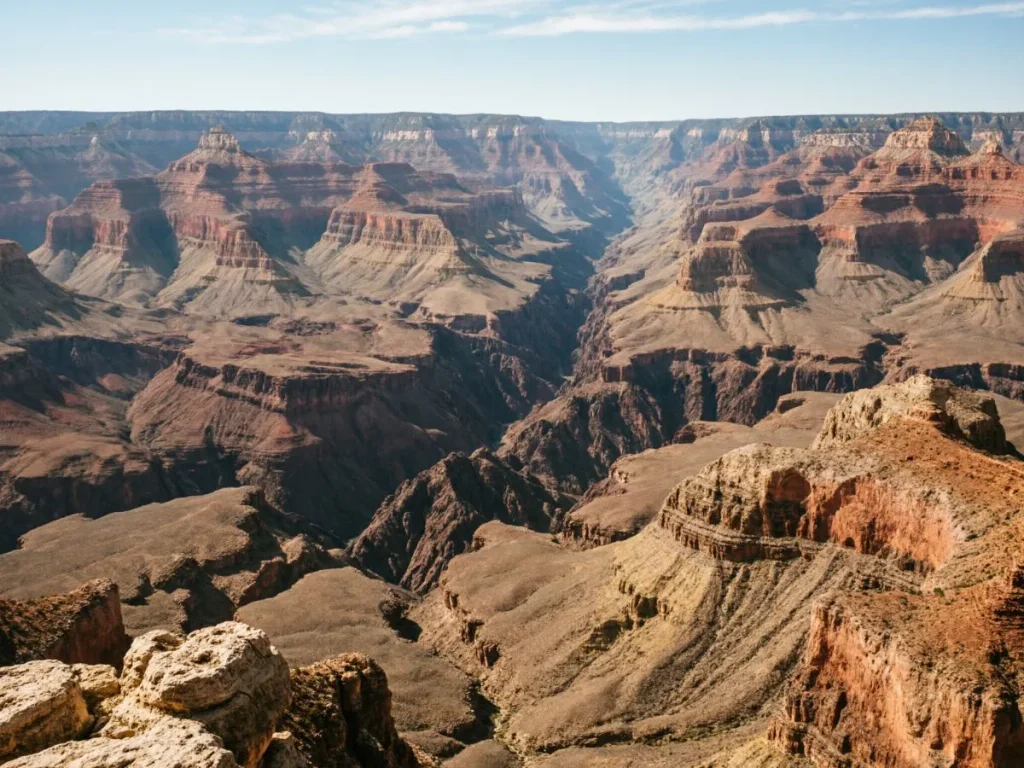
Nothing quite prepares you for your first view of the Grand Canyon. The South Rim is the easiest choice for first-time visitors, with dramatic overlooks, hiking trails, scenic drives, and plenty of places to stay.
Sunrise and sunset are especially memorable, but even a few hours along the rim gives you a sense of the canyon’s enormous scale.
Best for: First-time visitors, hiking, photography
Time needed: 1–2 days
May temperature: Around 50–70°F (10–21°C)
Tip: Book popular lodging ahead and start hikes early.
2. Sedona
Sedona feels completely different from the Grand Canyon. Its red-rock formations rise directly around the town, creating a spectacular backdrop for hiking, scenic drives, jeep tours, and quiet evenings.
Cathedral Rock, Bell Rock, and Devil’s Bridge are among the best-known spots. May is a comfortable time to explore the trails, although popular trailheads can get busy.
Best for: Red-rock scenery, hiking, couples, outdoor adventures
Time needed: 2–3 days
May temperature: Around 50–85°F (10–29°C)
3. Antelope Canyon
Near Page, Antelope Canyon is famous for its smooth sandstone walls and dramatic beams of light. It is one of those places that looks almost unreal in photographs—and even more impressive in person.
You must visit with a guided tour, and popular tour times can sell out during the busy spring travel season. Upper and Lower Antelope Canyon offer different experiences, so check the tour details before booking.
Best for: Photography, natural wonders
Time needed: 2–4 hours
May temperature: Around 50–80°F (10–27°C)
Tip: Reserve your tour in advance.
4. Horseshoe Bend
A short walk from the parking area leads to one of Arizona’s most recognizable viewpoints: the Colorado River making a dramatic horseshoe-shaped turn below the cliffs.
You do not need a full day here. An hour or two is enough for most visitors, making it easy to combine with Antelope Canyon on the same day. Bring water because shade is limited.
Best for: Scenic views, photography, short stops
Time needed: 1–2 hours
May temperature: Around 50–80°F (10–27°C)
5. Monument Valley Navajo Tribal Park
Monument Valley is one of the Southwest’s defining landscapes, with enormous sandstone buttes rising from the desert floor. Its location on the Navajo Nation also makes it a place where landscape and Native American culture come together.
A guided Navajo tour can take you beyond the main viewpoints and provide cultural context you would miss by simply driving through.
Best for: Scenic drives, photography, culture
Time needed: 1 day or an overnight stay
May temperature: Around 45–75°F (7–24°C)
Tip: Stay overnight if you want to experience sunrise or sunset without rushing.
6. Phoenix
Phoenix is more than a convenient place to fly into. The city offers desert hiking, museums, gardens, restaurants, and easy access to the surrounding Sonoran Desert.
The Desert Botanical Garden and Heard Museum are worthwhile stops, while Camelback Mountain appeals to travelers looking for a more demanding hike. May is still a good time for sightseeing, although afternoon temperatures can become quite warm.
Best for: City breaks, desert experiences, food and culture
Time needed: 2–3 days
May temperature: Around 70–95°F (21–35°C)
7. Scottsdale
Scottsdale works especially well for travelers who want Arizona scenery without giving up comfort. Old Town Scottsdale has galleries, restaurants, shops, and nightlife, while the surrounding area is known for resorts, spas, golf, and desert views.
You can easily combine Scottsdale with Phoenix rather than changing hotels, which makes it a convenient addition to a longer road trip.
Best for: Resorts, dining, golf, relaxation
Time needed: 1–2 days
May temperature: Around 70–95°F (21–35°C)
8. Flagstaff
At a much higher elevation than Phoenix, Flagstaff offers a cooler side of Arizona. Its pine forests, historic Route 66, dark skies, and nearby outdoor attractions make it more than just a stop on the way to the Grand Canyon.
It is also a useful base for exploring northern Arizona, particularly if you want to break up a road trip rather than drive long distances every day.
Best for: Mountain scenery, Route 66, stargazing
Time needed: 1–2 days
May temperature: Around 35–65°F (2–18°C)
Tip: Pack layers because mornings and evenings can be chilly.
9. Petrified Forest National Park
Petrified Forest National Park is one of Arizona’s quieter surprises. Its landscape combines colorful badlands, the Painted Desert, ancient petrified wood, and wide-open desert scenery.
The park is a good choice when you want something different from Arizona’s famous red-rock destinations. Stay on marked trails and leave the petrified wood where it belongs.
Best for: Geology, scenic drives, quieter parks
Time needed: Half to 1 day
May temperature: Around 40–70°F (4–21°C)
10. Tucson and Saguaro National Park
Tucson gives you a closer look at the Sonoran Desert, especially through the giant saguaro cacti that surround the city. Saguaro National Park has two districts on opposite sides of Tucson, each offering scenic drives, hiking, and desert views.
The city itself adds excellent Mexican and Southwestern food, museums, and a distinctive desert culture. May can be warm, so plan outdoor activities for the morning and keep the hottest part of the afternoon for indoor attractions.
Best for: Desert scenery, food, hiking, culture
Time needed: 2 days
May temperature: Around 60–90°F (16–32°C)
Best Time to Visit Arizona
Spring and fall are generally the most comfortable seasons for exploring Arizona, particularly when your trip includes both desert cities and northern attractions. May is a popular time to travel because many outdoor areas are comfortably accessible before the intense summer heat arrives in lower-elevation cities.
Keep in mind that Arizona’s elevations create major temperature differences. Phoenix and Tucson can already feel hot in May, while Flagstaff and the Grand Canyon remain considerably cooler.
Visiting Arizona During Christmas Week
Christmas week can be an appealing time to visit southern Arizona, especially Phoenix, Scottsdale, and Tucson, where winter weather is generally mild. Northern Arizona is a different story: Flagstaff and the Grand Canyon can be very cold, and snow is possible.
If you’re traveling during the holidays, reserve hotels and popular tours early and check road conditions before heading into higher elevations.
Getting Around Arizona
A rental car is the easiest way to explore Arizona. The major destinations are spread across a large area, and having your own vehicle gives you much more flexibility.
For a longer trip, a route such as Phoenix → Sedona → Grand Canyon → Page → Monument Valley → Flagstaff works well. You can then return toward Phoenix or continue south toward Tucson.
Where to Stay
Choose your base according to your route rather than trying to stay in one city.
- Grand Canyon: Stay near the South Rim for easy access.
- Sedona: Best for red-rock scenery and hiking.
- Page: Convenient for Antelope Canyon and Horseshoe Bend.
- Flagstaff: A practical northern Arizona base.
- Phoenix or Scottsdale: Best for city comforts, dining, and resorts.
- Tucson: Ideal for Saguaro National Park and southern Arizona.
How Many Days Do You Need?
Give yourself 7–10 days for a well-rounded first trip. Five days can cover Phoenix, Sedona, and the Grand Canyon, but a week or more lets you add Page and Monument Valley without turning the trip into a constant drive.
What to Pack for Arizona
Bring comfortable walking shoes, sunscreen, sunglasses, a reusable water bottle, and lightweight layers. May can be warm in southern Arizona but noticeably cooler in northern areas.
For hikes, carry plenty of water and check trail conditions before setting out. If your itinerary includes Flagstaff or the Grand Canyon, pack a warmer layer for early mornings and evenings.
FAQs
What is the number-one place to visit in Arizona?
The Grand Canyon is the essential first stop for most visitors, but Sedona, Page, and Monument Valley offer very different experiences.
Is May a good month to visit Arizona?
Yes. May is a popular spring travel month, with generally pleasant conditions across much of the state. Lower-elevation areas such as Phoenix and Tucson can already be hot in the afternoon.
Do you need a car in Arizona?
For a multi-destination trip, yes. A car makes it much easier to connect the state’s national parks, desert cities, and smaller destinations.
Can you visit Antelope Canyon and Horseshoe Bend in one day?
Yes. Both are near Page, making them a natural combination for a single day.
Conclusion
Arizona rewards travelers who give it time. The Grand Canyon may be the headline attraction, but Sedona’s red rocks, Page’s sandstone canyons, Monument Valley’s vast views, and Tucson’s desert landscapes show how much variety the state holds. For a comfortable spring trip, May is a strong choice for exploring Arizona, although temperatures vary considerably by elevation. Plan your route around a few key regions, leave room for scenic stops, and you will see far more than one famous canyon.
Related Posts
- Best Places to Visit in India: 10 Must-See Destinations
- Best Places to Visit in Costa Rica: 10 Breathtaking Destinations
- Best Places to Visit in Asia: 10 Breathtaking Destinations for 2026