
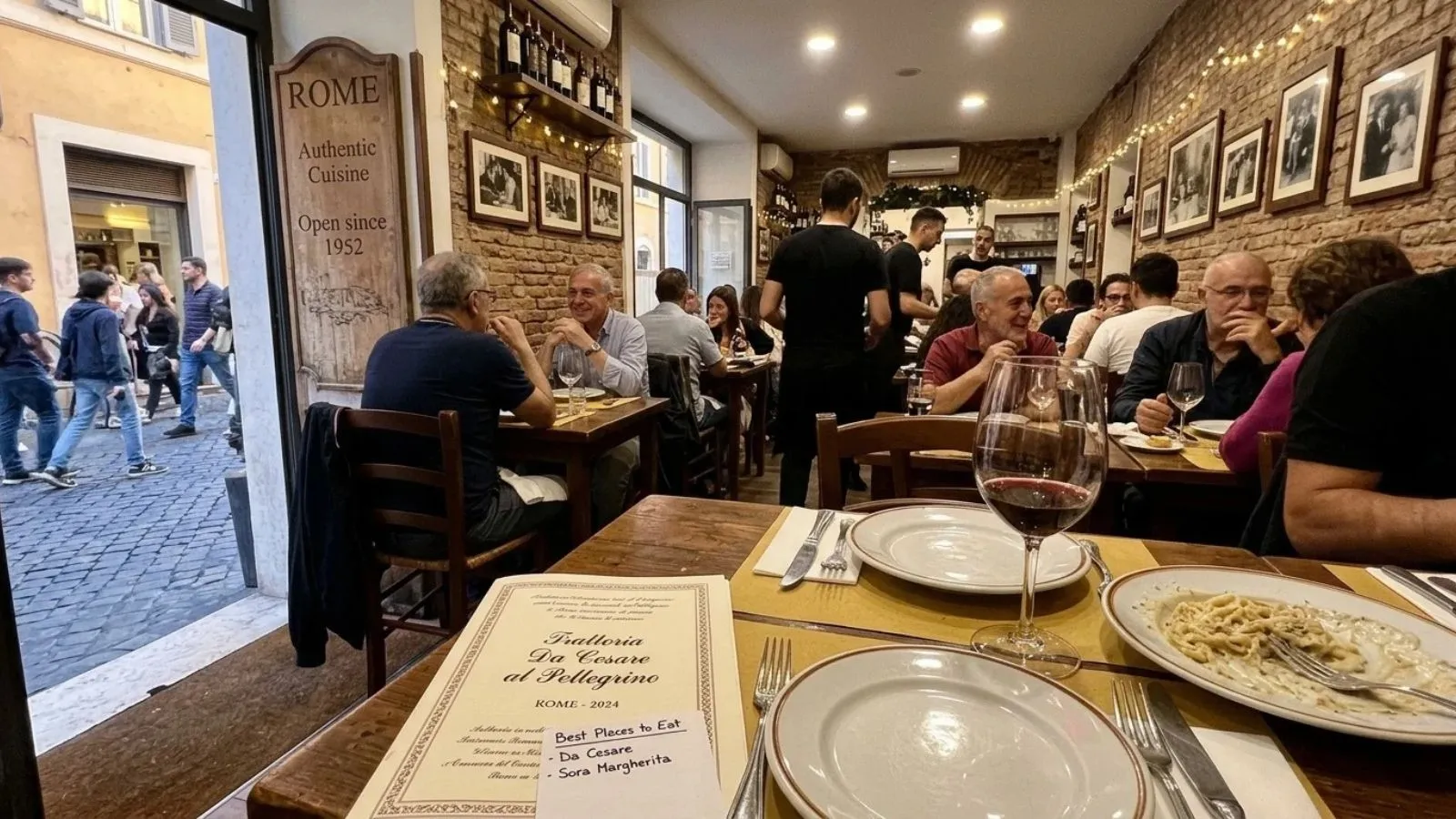
Rome’s food scene goes far beyond restaurants beside the Colosseum and Trevi Fountain. The best meals might be a plate of carbonara in a traditional trattoria, pizza near Campo de’ Fiori, or a quick sandwich at a neighborhood market. The best places to eat in Rome combine authentic Roman flavors, good food for different budgets, and locations that fit your sightseeing plans.
This guide brings together traditional restaurants, casual local favorites, pizza spots, and quick bites. The goal is to help you decide not just what to eat, but where to go, what to order, and when booking ahead matters.
Quick Picks: Where to Eat in Rome
- Best overall Roman dining: Armando al Pantheon
- Best for a refined meal: La Ciambella
- Best for local specialties: Hosteria Grappolo d’Oro
- Best near the Colosseum: Naumachia
- Best pizza in the historic center: Emma Pizzeria
- Best affordable market lunch: Mordi e Vai
- Best for cacio e pepe: Felice a Testaccio
- Best for a quick sweet treat: Two Sizes tiramisu
10 Best Places to Eat in Rome
1. Armando al Pantheon — Best for Classic Roman Cuisine
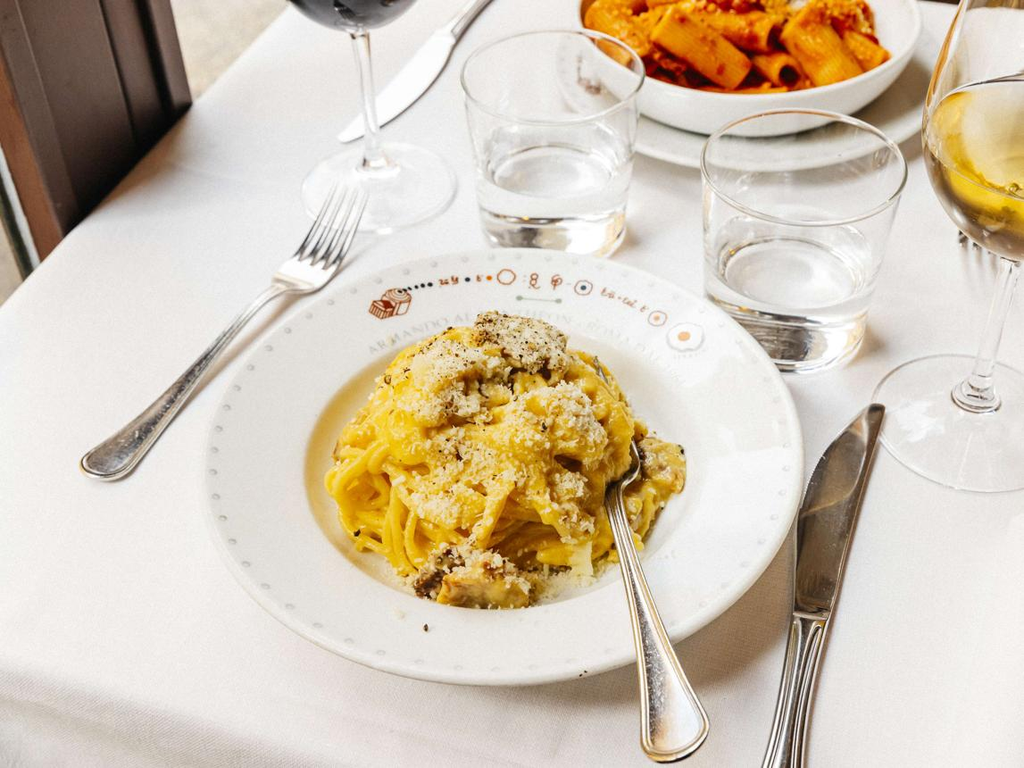
A short walk from the Pantheon, Armando al Pantheon is known for traditional Roman cooking in a small, established restaurant. It is a strong choice for travelers who want regional food rather than a menu built mainly around international favorites.
- Best food: Amatriciana, seasonal Roman specialties, and traditional pasta
- Budget: Mid-range
- Tip: Reserve ahead and check the official menu before visiting.
2. La Ciambella — Best for a Refined Meal
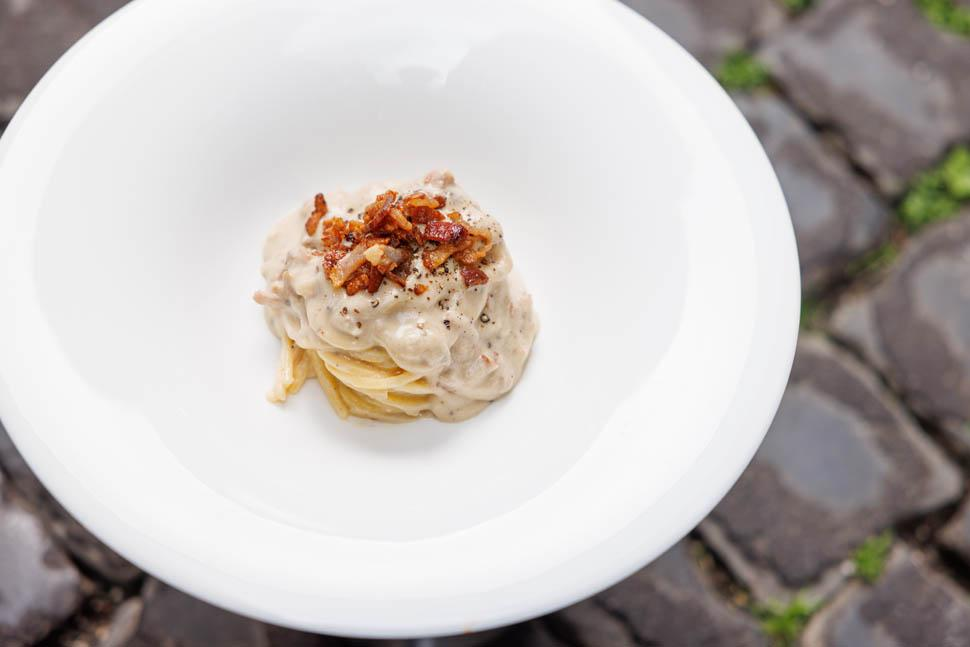
Near the Pantheon, La Ciambella gives Roman and Italian traditions a contemporary touch. Its seasonal menu, open kitchen, and wine-focused setting make it a better fit for a leisurely lunch or dinner than a rushed meal between attractions.
Bar à vin with kitchen+1
- Best food: Seasonal Italian dishes and tasting-menu selections
- Budget: Upscale compared with casual trattorias
- Tip: Check opening days and reserve in advance; the restaurant does not offer highchairs.
3. Hosteria Grappolo d’Oro — Best for Regional Food
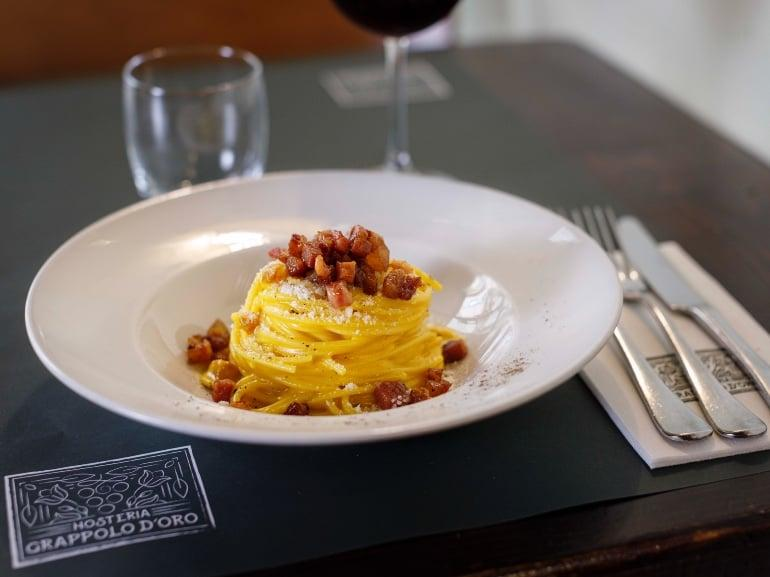
Close to Campo de’ Fiori, Hosteria Grappolo d’Oro focuses on regional ingredients and Roman specialties. It is a good option if you want to explore the city’s traditional dishes in a sit-down setting, with the possibility of choosing a tasting menu rather than ordering one plate at a time.
- Best food: Roman pasta and seasonal regional dishes
- Budget: Mid-range
- Tip: Book indoor seating if you need a guaranteed table; outdoor seating may follow different rules.
4. Naumachia — Best Near the Colosseum
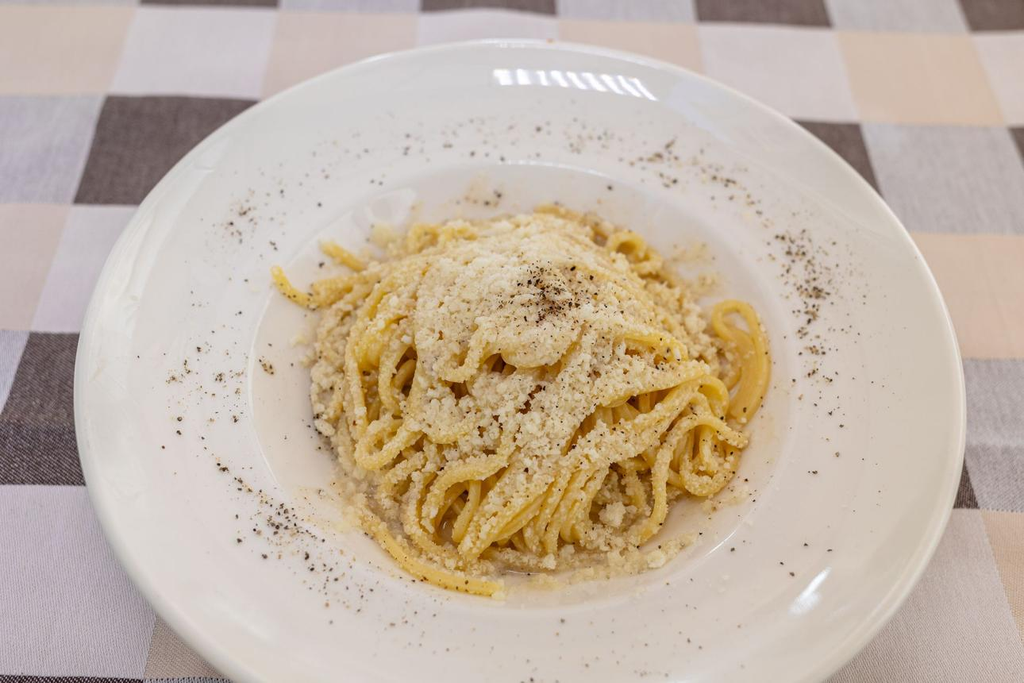
Naumachia is a practical choice near the Colosseum when you want a full Italian meal without traveling across the city. Its menu centers on Roman and Italian specialties, making it suitable for lunch after sightseeing or dinner before exploring the surrounding historic streets. The restaurant lists daily opening hours and table reservations on its official website.
NAUMACHIA
- Best food: Roman pasta and traditional Italian mains
- Budget: Mid-range
- Tip: Reserve during busy travel periods and allow time to walk from the monument.
5. Renato e Luisa — Best for Traditional Cooking with a Modern Touch
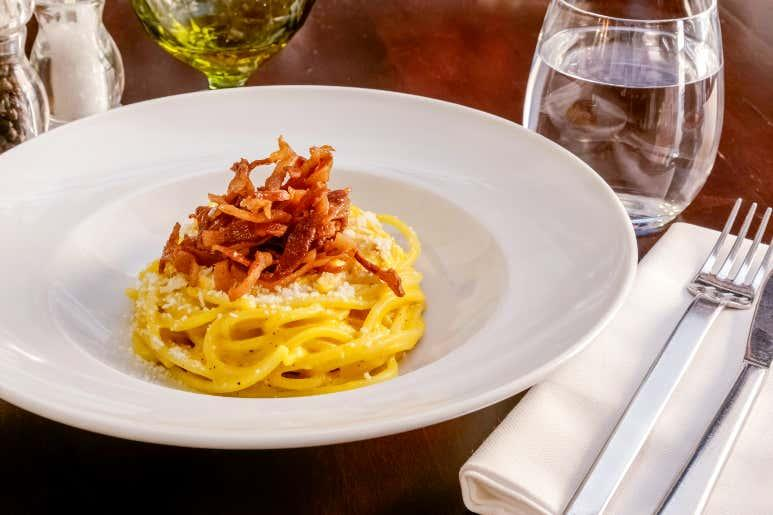
Tucked near Largo Argentina, Renato e Luisa serves Roman classics with a personal, modern approach. Its menu changes with seasonal ingredients, and the restaurant also prepares homemade bread, grissini, and desserts. This makes it worth considering when you want familiar local flavors without an overly formal atmosphere.
Quelli della Taverna+1
- Best food: Carbonara, cacio e pepe, and house-made desserts
- Budget: Mid-range
- Tip: Check its current opening days carefully; it is not open every day.
6. Emma Pizzeria — Best for Pizza in the Historic Center
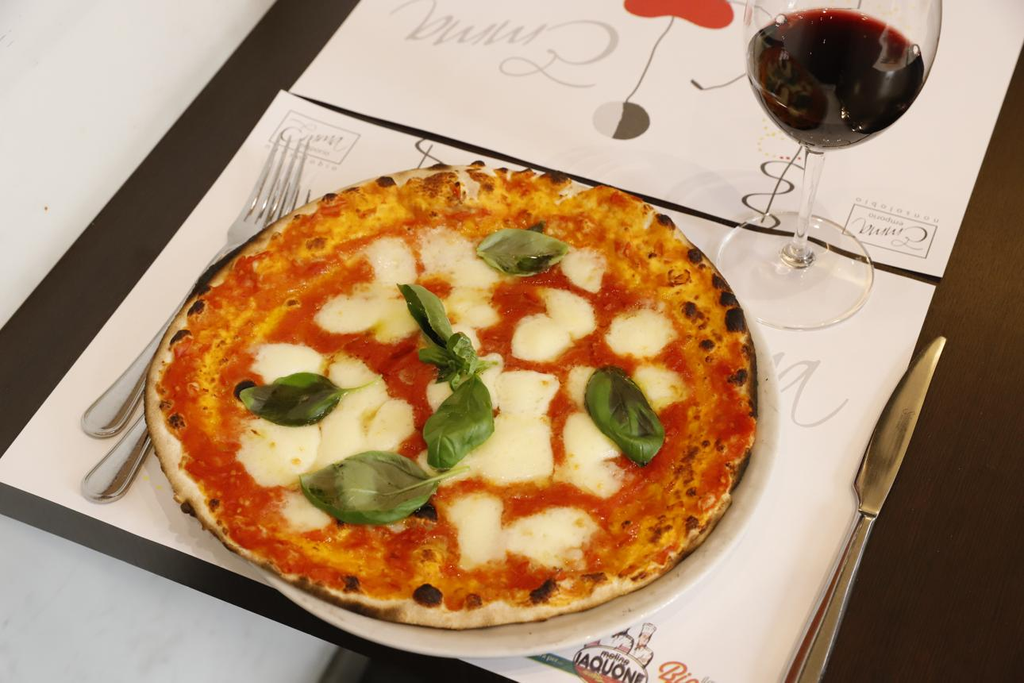
Near Largo Argentina and Campo de’ Fiori, Emma is a convenient choice for pizza in the historic center. It also offers other Italian dishes, making it useful for groups who do not all want the same meal. Its central location works well when you want to eat without adding a long detour to your sightseeing route.
Roma
- Best food: Roman-style pizza and Italian starters
- Budget: Moderate
- Tip: Book through the restaurant’s current reservation system, especially for dinner.
7. Felice a Testaccio — Best for Cacio e Pepe
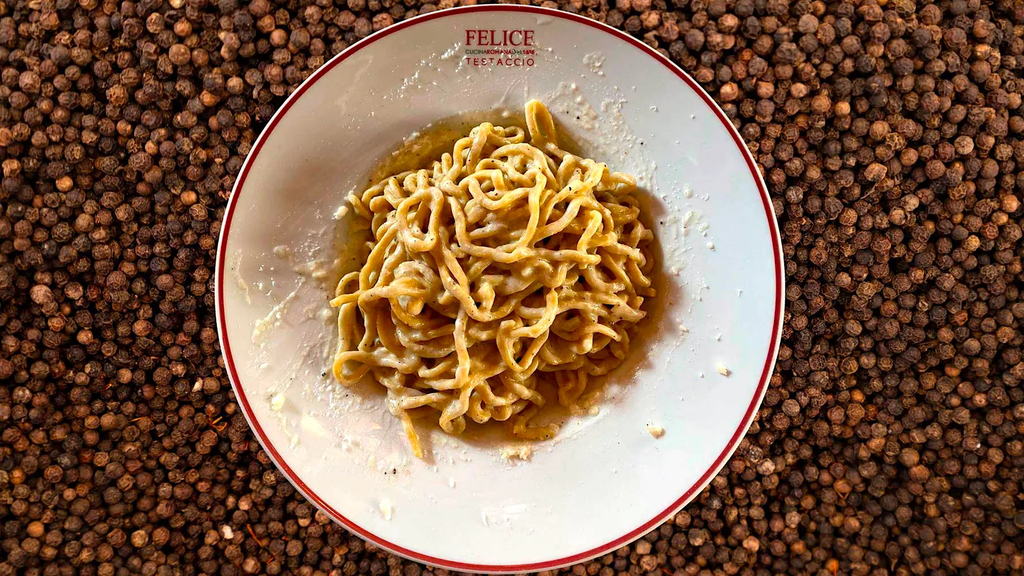
Felice a Testaccio is famous for cacio e pepe, a Roman pasta dish made with pecorino cheese and black pepper. The restaurant has a long history in Testaccio, a neighborhood closely associated with Rome’s food culture. Choose this spot if the meal itself is a priority and you have time to travel beyond the central monuments.
Ristorante di cucina romana
- Best food: Cacio e pepe
- Budget: Mid-range
- Tip: Book ahead and check which branch you are selecting; the restaurant also has a separate central takeaway-style location.
8. Enoteca Corsi — Best for an Informal Local Meal
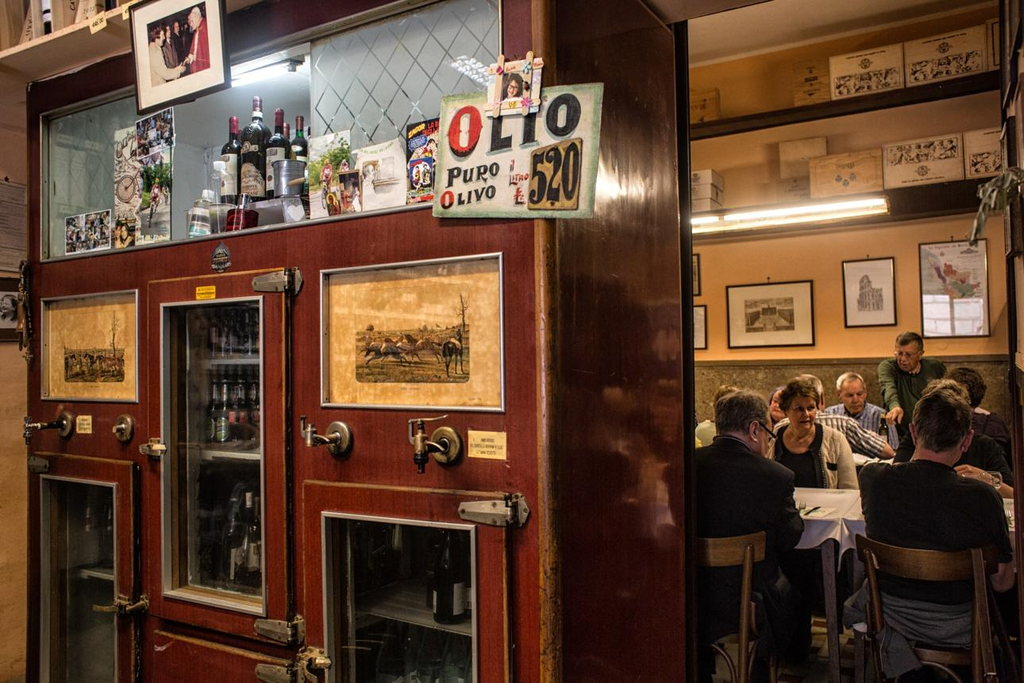
Near Campo de’ Fiori, Enoteca Corsi combines a traditional Roman food menu with a wine-shop atmosphere. Its website highlights seasonal cooking and classic local dishes. It can be a useful alternative if you prefer a straightforward meal over a formal tasting experience.
enotecacorsi.com
- Best food: Roman pasta, seasonal mains, and house-made desserts
- Budget: Moderate
- Tip: Check the daily menu before ordering, as dishes can change with the season.
9. Mordi e Vai — Best for an Affordable Market Lunch
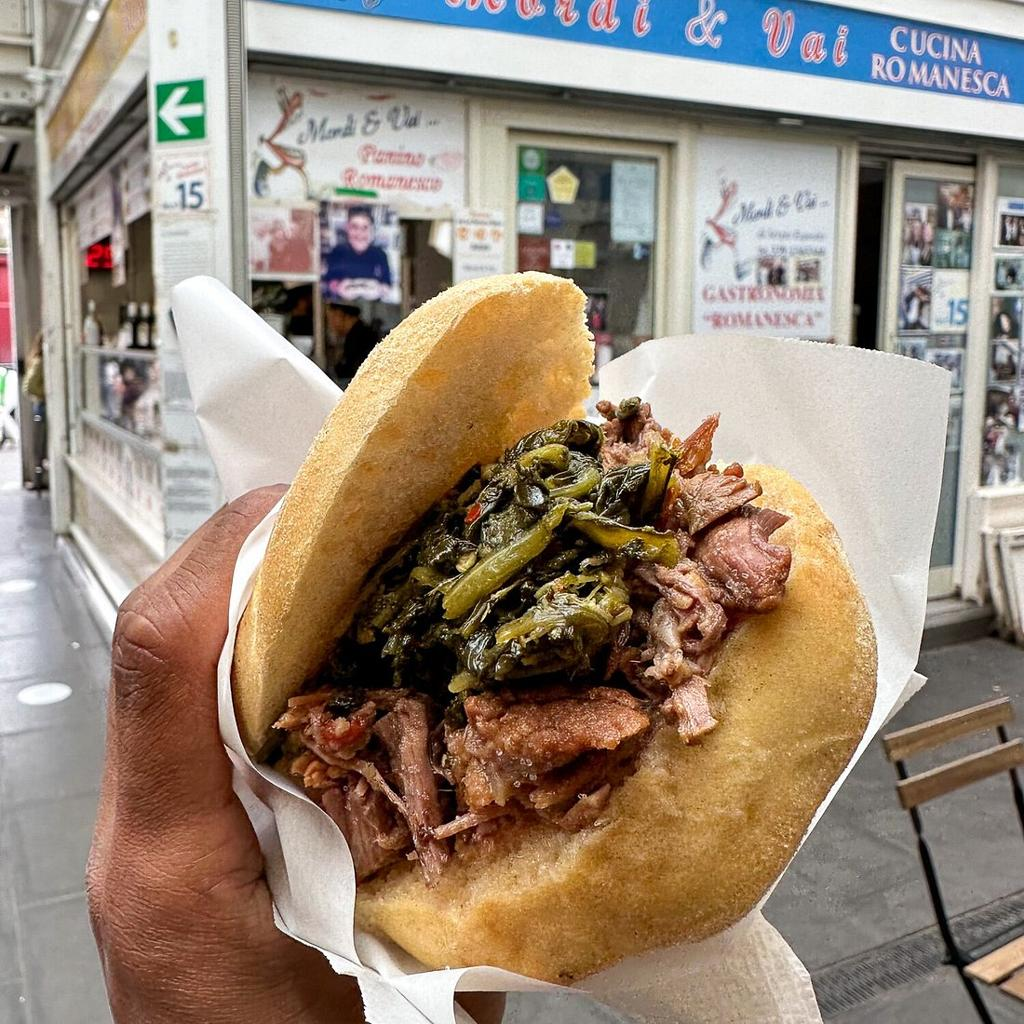
For a quick lunch, head to Mordi e Vai in Testaccio Market. This is the kind of stop that can save time and money compared with a full restaurant meal, especially if you want to sample Roman-style sandwich fillings. It is also an easy way to experience the city’s market-food culture.
- Best food: Slow-cooked beef sandwiches and daily fillings
- Budget: Budget-friendly
- Tip: Check the market’s opening schedule and go early enough to avoid the lunchtime rush.
10. Two Sizes — Best for a Quick Tiramisu
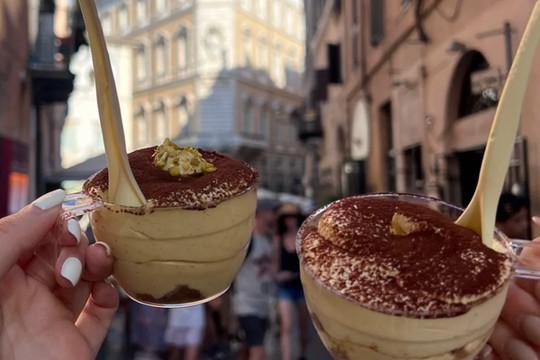
Two Sizes is a handy dessert stop when you want something sweet without sitting down for another full meal. Its small takeaway portions are convenient between sightseeing stops, particularly around the historic center. Treat it as a snack stop rather than a replacement for a traditional gelato shop or restaurant dessert menu.
- Best food: Classic tiramisu and flavored variations when available
- Budget: Budget-friendly
- Tip: Check the current location and flavors before making a special trip.
Where to Eat by Neighborhood
- Pantheon and Campo de’ Fiori: Best for combining traditional restaurants with central sightseeing.
- Colosseum and Monti: Convenient for a meal before or after visiting ancient Rome.
- Testaccio: A strong choice for traditional dishes, market food, and cacio e pepe.
- Trastevere: Ideal for a lively evening of trattorias and casual dining.
- Vatican and Prati: Useful for pizza and lunch before or after the Vatican Museums.
Practical Tips for Eating in Rome
- Book popular restaurants: Small, well-known places can have limited seating. Da Enzo al 29, for example, explicitly states that it does not accept reservations, so plan for a possible queue.
Homepage - Check restaurant hours: Some restaurants close on particular weekdays or serve lunch and dinner only.
- Know the pasta classics: Carbonara uses eggs, pecorino Romano, guanciale, and black pepper. Cacio e pepe relies on cheese and black pepper, while amatriciana combines tomato, guanciale, and pecorino.
- Choose food around your route: A market sandwich is ideal on a busy sightseeing day; save a longer trattoria meal for an evening when you have more time.
- Check dietary requirements in advance: Ask the restaurant directly about allergens, gluten-free options, and ingredient substitutions.
FAQs
What food should you try in Rome?
Start with carbonara, cacio e pepe, amatriciana, Roman-style pizza, and a traditional sandwich. If you visit in the right season, look for Roman artichokes too.
Where can you eat affordably in Rome?
Market food at Testaccio, pizza by the slice, and takeaway desserts can help keep costs down. Check current menus before visiting because prices vary by location.
Do you need restaurant reservations in Rome?
For popular sit-down restaurants, booking ahead is a good idea. Some smaller places accept walk-ins only, so confirm their current policy before planning your evening around them.
Conclusion
The best places to eat in Rome offer a mix of traditional pasta, neighborhood trattorias, pizza, and quick market food. Choose Armando al Pantheon or Renato e Luisa for Roman classics, Emma for pizza, and Mordi e Vai for an easy lunch. Plan meals around your sightseeing route, confirm current opening hours, and reserve popular tables early.
References
- Mama Loves Italy — Where to Eat in Rome
- Armando al Pantheon — Official website
- Felice a Testaccio — Official website
Related Posts
- 10 Best Places to Eat in Tulsa for Local Flavor and Memorable Meals
- 10 Best Places to Eat in Orlando for Local Food Worth Seeking Out
- 10 Best Places to Eat in Springfield, MO, for Local Flavor

Mark Johanson is an experienced American travel journalist specializing in destinations, adventure, and travel. He has written for major publications and co-authored numerous Lonely Planet travel guides covering destinations worldwide.