
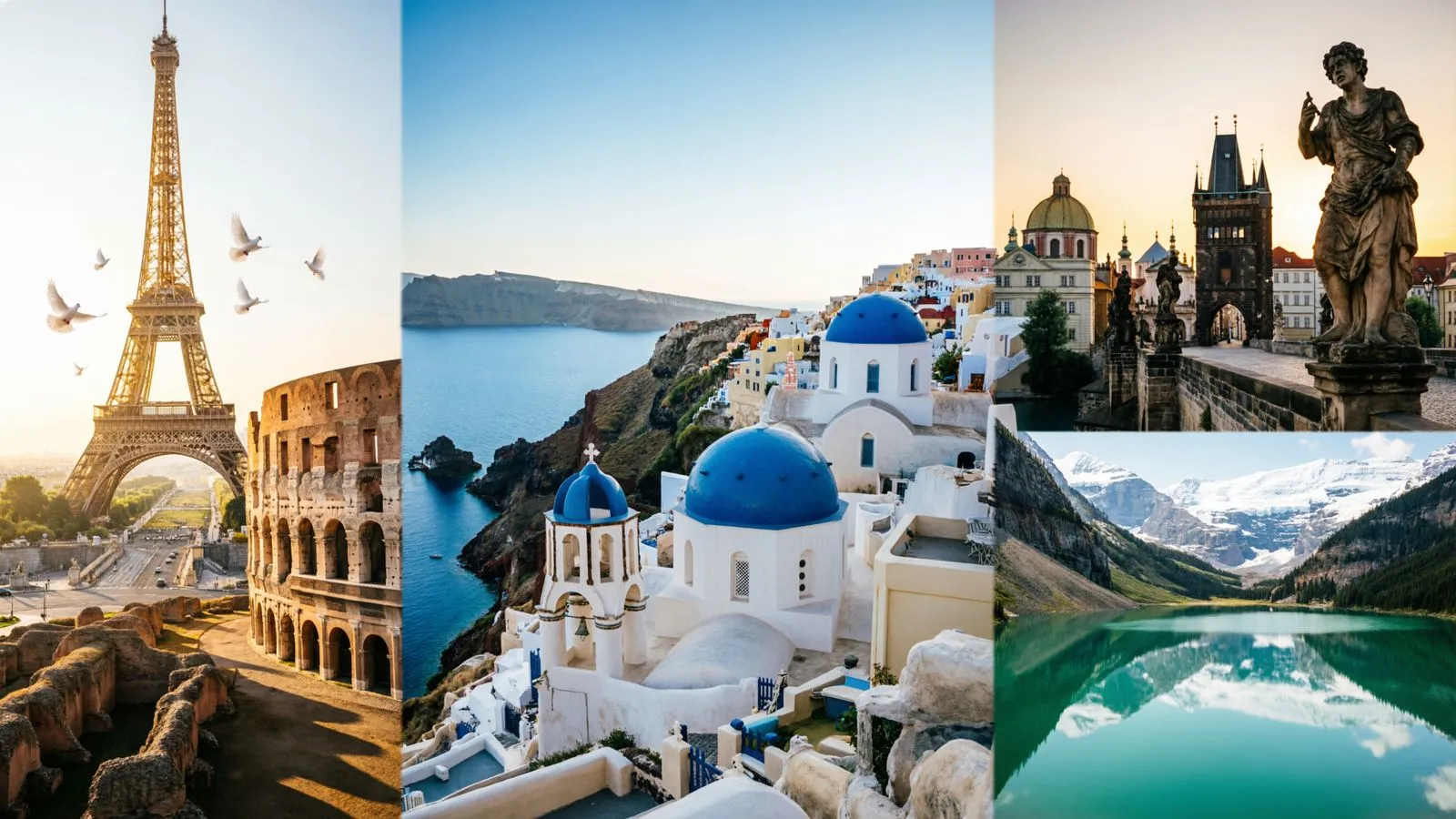
Europe’s best trips aren’t always about visiting its busiest capitals. Some of the most memorable experiences come from hiking rugged mountains, discovering quiet coastal towns, and exploring places with their own traditions. The best places to travel in Europe include Scotland’s Ben Nevis, Albania’s Riviera, Greece’s Ithaca, and Italy’s Calabria. These destinations offer a mix of nature, culture, history, and quieter alternatives to Europe’s most crowded hotspots.
10 Best Places to Travel in Europe
1. Ben Nevis, Scotland

At 1,345 meters, Ben Nevis is the highest mountain in the UK. Its Mountain Track rewards prepared hikers with dramatic Highland scenery, but the climb is long and demanding. Weather can change quickly, and summit conditions may be wintry even when the valley feels mild.
- Best for: Experienced hikers and mountain scenery
- Time needed: 2–3 days around Fort William
- Travel tip: Allow 7–9 hours for the usual ascent and descent, check mountain forecasts, and carry waterproof layers, navigation tools, food, and water. Read VisitScotland’s hiking guidance.
2. Belgrade, Serbia
Belgrade blends historic streets, lively markets, traditional cafés, and modern nightlife. Walk through Kalemegdan Fortress, where the Sava and Danube rivers meet, then explore Skadarlija for restaurants and local atmosphere.
- Best for: History, food, and nightlife
- Time needed: 2–3 days
- Travel tip: Stay near the central districts for easy sightseeing and use public transport or taxis for longer journeys. Explore Serbia’s official tourism guide.
3. Ithaca, Greece
Ithaca pairs Homeric mythology with peaceful villages, clear-water coves, and scenic walking routes. It’s quieter than Greece’s best-known party islands, making it a good choice for travelers who prefer slow mornings and relaxed beach days.
- Best for: Island escapes and quiet beaches
- Time needed: 3–5 days
- Travel tip: Reach the island by ferry, often via Kefalonia or mainland ports, and check schedules before booking accommodation. Summer offers the best beach conditions, but services can be seasonal.
4. Kaszuby, Poland
West of Gdańsk, the Kashubian region features lakes, wooded hills, small villages, and opportunities for kayaking and sailing. It’s a refreshing alternative to a city-only trip and can be paired with Gdańsk, Gdynia, and Sopot.
- Best for: Lakes, nature, and budget-conscious trips
- Time needed: 2–4 days
- Travel tip: Rent a car for smaller villages and lakeside stops; late spring through early fall is best for outdoor activities.
5. Libreria Acqua Alta, Venice, Italy
Venice is famous, but this quirky bookstore is a more unusual stop. Books are stored in boats and bathtubs to help protect them from flooding, creating a memorable browse among narrow canals and tucked-away lanes.
- Best for: Book lovers and unusual city experiences
- Time needed: 2–3 hours, or 2–3 days for Venice
- Travel tip: Visit early, then explore nearby Castello on foot. Check Venice’s official visitor information before your trip.
6. Albania’s Riviera
Albania’s southern coast combines clear-water beaches, mountain scenery, and towns such as Dhërmi and Himarë. You can also add inland stops like Gjirokastër or Berat for historic architecture and a broader view of the country.
- Best for: Beach road trips and scenic drives
- Time needed: 5–8 days
- Travel tip: A rental car offers flexibility, but winding coastal roads take time. Summer is busiest; late spring and early fall can be more relaxed.
7. Calabria, Italy
At Italy’s southern tip, Calabria offers sandy coves, cliffside villages, regional food, and national parks. Tropea is a useful base for coastal views, while inland areas reveal a quieter side of southern Italy.
- Best for: Beaches, food, and less-crowded Italian towns
- Time needed: 4–6 days
- Travel tip: A car helps reach small villages and remote beaches. Visit in late spring or early fall for milder sightseeing weather. See Italia.it’s Calabria guide.
8. Normandy, France
Normandy combines the D-Day landing beaches, medieval Bayeux, Monet-related sites, coastal cliffs, and charming harbor towns such as Honfleur. It suits travelers who want history, countryside, and food in one trip.
- Best for: History, culture, and scenic drives
- Time needed: 3–5 days
- Travel tip: Trains connect Paris with major Norman towns, but a car helps reach beaches and rural attractions. Plan with Normandy Tourism.
9. The Wild Atlantic Way, Ireland
This 2,500-kilometer coastal route passes cliffs, beaches, fishing villages, and lively towns along Ireland’s west coast. Rather than attempting the entire route in a few days, choose a section around Galway, Clare, Kerry, or Donegal.
- Best for: Road trips, coastal walks, and local culture
- Time needed: 4–7 days for a section; 10 days or more for a longer journey
- Travel tip: Bring waterproof layers and allow extra driving time on narrow roads. See Ireland’s official route guide.
10. Bad Gastein, Austria
Bad Gastein combines Belle Époque buildings, a dramatic waterfall, thermal spas, and access to the Austrian Alps. Visit for hiking and mountain lakes in warmer months or skiing and snow activities in winter.
- Best for: Alpine scenery, wellness, and outdoor sports
- Time needed: 3–4 days
- Travel tip: The valley sits at roughly 830–1,600 meters, so temperatures can be cooler than expected. Pack layers, check lift and trail conditions, and allow time to adjust to elevation. Explore Austria’s Gastein guide.
Europe Travel Planning Tips
- Match the season to your trip: Summer suits beaches and long hikes; spring and early fall often mean milder weather and fewer crowds.
- Choose transport carefully: Trains work well for cities, while a rental car helps with rural regions and coastal routes.
- Check mountain conditions: Forecasts, trail access, and cable-car schedules can change quickly in high areas.
- Plan entry requirements: Visa rules depend on your passport and itinerary. Check official government guidance before booking.
FAQs
What are the best places to travel in Europe away from crowds?
Kaszuby, Ithaca, Calabria, and parts of Albania’s Riviera can offer quieter experiences, especially outside peak summer weeks.
What is the best time to visit Europe?
May, June, September, and early October often work well for sightseeing, but coastal and mountain destinations have different seasonal conditions.
How many days should I plan for Europe?
Spend around 7–10 days exploring two or three nearby places, or longer if you’re planning a road trip through rural regions.
Conclusion
The best places to travel in Europe depend on whether you want mountain adventures, coastal scenery, history, or a relaxed island escape. Choose a few destinations that fit your interests, check seasonal conditions, and plan enough time to explore beyond the main sights.
Related Posts
- Best Places to Travel in November: 10 Trips Worth Taking
- Best Places to Travel in May USA: 10 Spring Getaways
- Best Places to Travel in January for Warm Weather: 9 Sunny Destinations

One thought on “Best Places to Travel in Europe: 10 Unique Destinations Worth Exploring”