

California is hard to cover in one trip. You can explore major cities, drive along the Pacific coast, hike through the Sierra Nevada, walk among giant sequoias, or spend a few quiet days in wine country.
The real challenge is choosing where to spend your time. The best places to visit in California depend on your interests, but Yosemite, San Francisco, Big Sur, San Diego, Los Angeles, Lake Tahoe, and several national parks are excellent places to start.
Quick Answers: About California Travel
- Best for: Road trips, beaches, cities, national parks, food, wine, and outdoor adventures
- Best time to visit: Spring and fall are often comfortable for a mix of regions; summer works well for many coastal and mountain trips
- How long to stay: 7–10 days for a focused trip; 2 weeks or more for a broader road trip
- Getting around: A car is useful for national parks and coastal routes; public transportation works well in major cities
- Main planning point: California is large, so avoid packing too many distant destinations into a short trip
Why California Is Worth Visiting
Few places offer this much variety in one state. The coast, mountains, deserts, forests, cities, and wine country all feel different.
That variety also makes California ideal for road trips. You can leave a city in the morning and spend the afternoon beside the ocean, in the mountains, or among giant trees.
Best Places to Visit in California
1. Yosemite National Park
Yosemite Valley gives you famous views of El Capitan, Half Dome, and several major waterfalls, while areas beyond the valley offer more trails and viewpoints.
In 2026, Yosemite does not require a vehicle reservation to enter, although lodging, camping, and some activities still require advance planning. Check current conditions before your visit, especially during busy periods.
Best for: Hiking, scenery, photography, and nature
Allow: 2–3 days
2. San Francisco
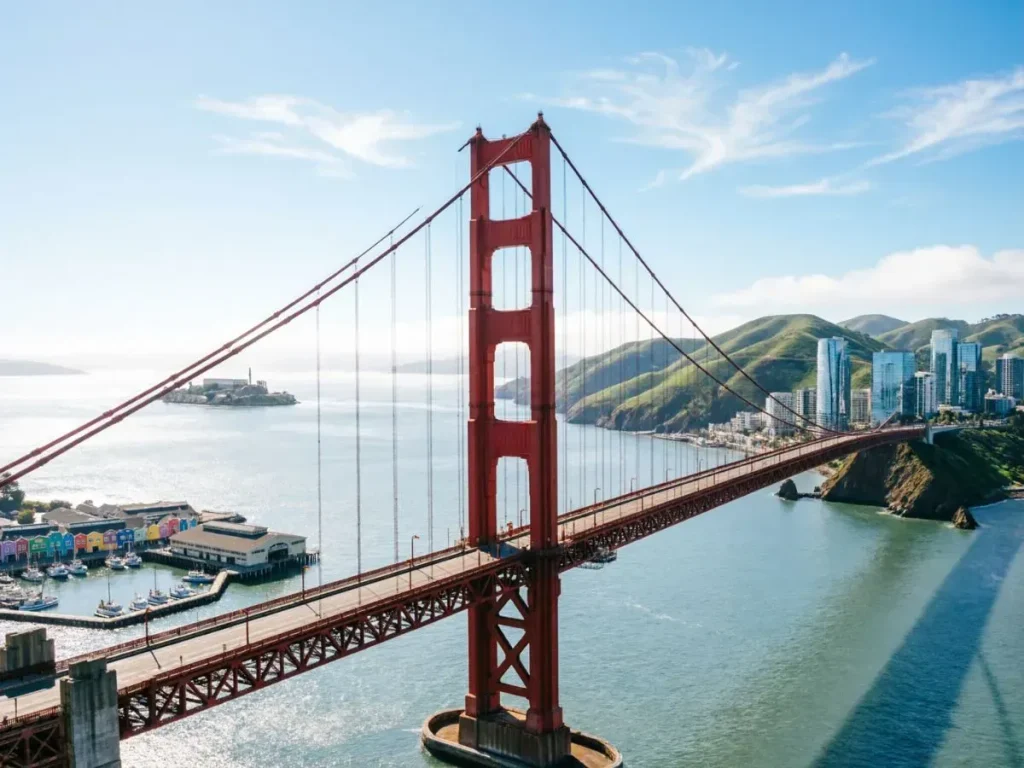
San Francisco is easy to explore without a car and has plenty to see within a relatively small area.
Walk across or view the Golden Gate Bridge, explore Chinatown and North Beach, visit the waterfront, and leave time for the city’s food scene. Its steep streets and distinctive architecture are part of the experience.
Best for: City sightseeing, food, neighborhoods, and first-time visitors
Allow: 2–3 days
3. Big Sur and Highway 1
Big Sur is about the journey as much as the destination. Highway 1 follows a dramatic stretch of coastline with cliffs, ocean views, redwoods, and memorable roadside stops.
Bixby Bridge is a well-known landmark, but the wider coastal drive is the real attraction. Check Caltrans before driving because conditions can change. As of September 18, 2026, parts of Highway 1 around Big Sur have active traffic controls because of construction.
Best for: Scenic drives, coastal views, photography, and slow travel
Allow: 1–2 days
4. San Diego
San Diego is a good choice when you want beaches, outdoor activities, and a relaxed city break.
Explore La Jolla, Balboa Park, and the waterfront, then leave time for the beach. Its coastal setting makes it easy to enjoy without filling every hour with sightseeing.
Best for: Beaches, families, food, and relaxed trips
Allow: 2–3 days
5. Los Angeles
Los Angeles becomes much easier to enjoy when you plan by area instead of trying to see the whole city in one day.
Hollywood and Beverly Hills work well for classic sightseeing, while Santa Monica and Venice offer a stronger coastal feel. Museums, restaurants, entertainment, and different neighborhoods provide plenty beyond the usual tourist attractions.
Traffic can add significant time to short journeys, so grouping nearby places together is important.
Best for: Entertainment, beaches, museums, food, and city life
Allow: 2–4 days
6. Monterey and Carmel-by-the-Sea
Monterey offers a waterfront setting and marine attractions, while Carmel has a smaller, walkable feel with galleries, restaurants, and distinctive architecture. They are close enough to combine in one stay.
Best for: Coastline, families, couples, and a slower pace
Allow: 1–2 days
7. Lake Tahoe
Lake Tahoe changes with the seasons. Summer is ideal for hiking, boating, beaches, and mountain trails, while winter brings skiing and other snow activities.
The lake itself is the main attraction. Allow time to explore the shoreline, stop at viewpoints, and visit places such as Emerald Bay rather than staying in one area the entire time.
Best for: Mountains, lakes, hiking, skiing, and outdoor activities
Allow: 2–3 days
8. Sequoia and Kings Canyon National Parks
Sequoia is famous for enormous sequoia trees, while Kings Canyon adds deep valleys, mountain scenery, and hiking.
The appeal here is the scale of the forests and the chance to spend time in a quieter mountain setting.
Best for: Giant trees, hiking, forests, and mountain scenery
Allow: 1–2 days
9. Joshua Tree National Park
Joshua Tree feels worlds away from California’s coastal cities. Its desert landscape combines unusual rock formations, Joshua trees, open roads, and wide skies.
Short walks are easy to add to a road trip, while longer hikes and stargazing can justify a longer stay. Check weather conditions before planning strenuous activities because desert temperatures can change quickly.
Best for: Desert scenery, hiking, photography, and stargazing
Allow: 1–2 days
10. Death Valley National Park
Death Valley is known for salt flats, desert mountains, dunes, and vast open landscapes. Badwater Basin is one of its best-known sights.
The park is open year-round, but extreme heat can make lower-elevation areas dangerous, particularly in summer. Road and service conditions can also change, so check current information before traveling and carry plenty of water.
Best for: Desert landscapes, photography, and road trips
Allow: 1–2 days
11. Napa Valley
Napa Valley is a natural choice for travelers who want to slow down after busy city or road-trip days.
It is known for wineries, restaurants, vineyards, and comfortable places to stay. You can build the trip around wine tasting or simply enjoy the food, scenery, and quieter pace.
If you plan to visit several wineries, arrange transportation in advance rather than driving after drinking.
Best for: Wine, food, couples, and relaxed getaways
Allow: 1–2 days
12. Santa Barbara
Santa Barbara offers a quieter coastal stop between Los Angeles and Central California.
Its beaches, waterfront, Spanish-style architecture, restaurants, and nearby wine country make it easy to combine sightseeing with downtime. It works well as either a short stop or an overnight stay.
Best for: Beaches, food, architecture, and relaxed coastal trips
Allow: 1–2 days
How to Plan a California Trip
Start with a region, not a long list of destinations. California is too large to see efficiently by constantly crossing the state.
For 5–7 Days
Choose one main route:
- Northern California: San Francisco → Napa Valley → Yosemite
- Central Coast: San Francisco → Monterey/Carmel → Big Sur → Santa Barbara
- Southern California: Los Angeles → Santa Barbara → San Diego
For 10–14 Days
You have enough time to combine cities, the coast, and one or two national parks. A route such as San Francisco → Yosemite → Monterey/Big Sur → Los Angeles → San Diego gives you a good mix without excessive backtracking.
For longer trips, add Lake Tahoe, Sequoia, Joshua Tree, or Death Valley according to the season and your interests.
How Much Does a California Trip Cost?
Your budget will depend heavily on the season, accommodation, transportation, and itinerary.
The main costs are:
- Flights
- Accommodation
- Rental car and fuel
- Food
- Park, attraction, and parking fees
Major cities can have expensive hotels and parking, while accommodation near popular national parks can fill quickly. Price these costs before booking so your budget reflects the actual trip rather than just the hotel rate.
Getting Around California
A rental car is usually the most practical choice for Yosemite, Big Sur, Lake Tahoe, Sequoia, Joshua Tree, and Death Valley.
In San Francisco, public transportation can be easier than driving and parking. Los Angeles is more manageable when you group activities by neighborhood, while San Diego offers public transportation but is more flexible with a car.
For Highway 1 and other long drives, check current road conditions before leaving. Construction, fires, rockslides, and other events can change routes.
Where to Stay
Location matters as much as the hotel.
Choose accommodation close to the areas you plan to visit instead of saving money on a distant room and spending hours driving each day. For national parks, compare lodging inside the park with nearby gateway towns.
For Yosemite, arrange lodging or camping early when possible, particularly for busy travel periods.
What to Eat in California
California’s food scene changes with the region.
Try fresh seafood along the coast, Mexican and Mexican-American food in Southern California, farm-to-table dishes in wine country, and the wide range of Asian cuisines found in cities such as San Francisco and Los Angeles.
You do not need a complicated food itinerary. A good local restaurant near wherever you are already spending the day is often enough.
Practical Tips for Visiting California
- Do not underestimate distances. California is much larger than it looks on a map.
- Check road conditions before long drives, especially on Highway 1 and national-park routes.
- Book popular park lodging early.
- Start early at major parks when possible, especially on busy days.
- Keep some flexibility. Weather, fires, construction, and road closures can change plans.
- Carry enough water in desert parks such as Death Valley and Joshua Tree.
- Avoid overpacking your itinerary. More driving does not necessarily mean seeing more.
- Plan city parking in advance, particularly in San Francisco and Los Angeles.
FAQs
What is the best place to visit in California for a first trip?
It depends on what you want from the trip. Yosemite suits travelers focused on nature, San Francisco on city sightseeing, Big Sur on coastal scenery, and San Diego on beaches and a relaxed pace.
How many days do you need in California?
A week works well for one region or a focused road trip. Around two weeks gives you enough time to combine cities, the coast, and national parks without rushing every stop.
Is California good for a road trip?
Yes. A road trip is particularly useful for experiencing the Central Coast and connecting major cities with national parks.
When is the best time to visit California?
It depends on the region. Spring and fall can be comfortable for combining different parts of the state, while summer works well for many coastal and mountain destinations. Desert areas require more careful planning because of extreme heat.
What should you not miss in California?
For a first trip, consider combining one major city, one coastal route, and one national park. This gives you a good introduction to California without spending most of your vacation in the car.
Final Thoughts
California is easier to enjoy when you choose a few places that match your interests instead of trying to see everything. Give each destination enough time, keep your route practical, and leave some flexibility for changing conditions. Whether you prefer mountain trails, coastal drives, city neighborhoods, giant trees, desert landscapes, or good food, California gives you plenty of ways to build a trip around what you actually enjoy.
Related More Post
- Best Places to Visit in America
- Best Places in California: 15 Must-Visit Destinations for 2026
- Best Places to Visit in the US: 25 Destinations for Every Trip