
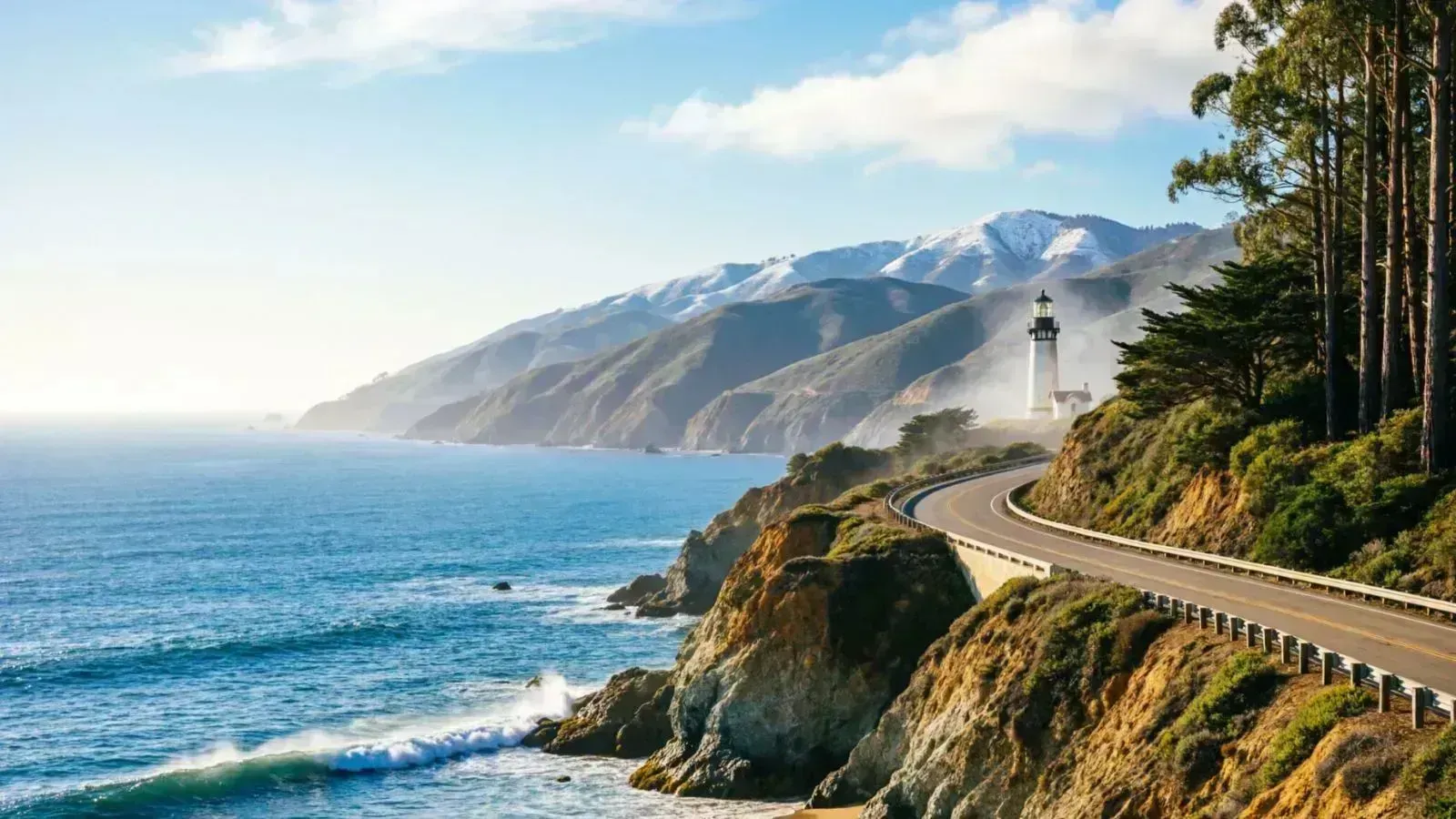
California gives you a little of almost everything: beaches, mountains, deserts, forests, big cities, wine country, and scenic road trips. The best places in California include San Francisco, Yosemite, Big Sur, San Diego, Los Angeles, Monterey, Napa Valley, Lake Tahoe, Joshua Tree, and other destinations for different interests and budgets.
The challenge is choosing where to go without trying to see the whole state at once. This guide covers 15 worthwhile destinations, along with the best time to visit, how long to stay, transportation, costs, places to stay, and practical tips for planning your trip.
Quick Answer:About California
| Travel Detail | What to Know |
| Best time to visit | April–May and September–October |
| Ideal trip length | 7–14 days |
| Budget | Moderate to expensive |
| Best for | Beaches, cities, nature, road trips, food, and national parks |
| Transportation | Car for road trips; public transit in major cities |
| Family friendly | Excellent |
| Solo friendly | Excellent |
| Couple friendly | Excellent |
15 Best Places in California
1. San Francisco
San Francisco is a natural starting point for a first California trip. The Golden Gate Bridge, Alcatraz, Chinatown, the waterfront, and Golden Gate Park can easily fill 2–3 days.
Best time: September–October
Budget: $$$
Bring layers because the city can feel cool even when nearby areas are warm. If you have extra time, Sausalito, Muir Woods, and the Marin Headlands are easy additions.
2. Yosemite National Park
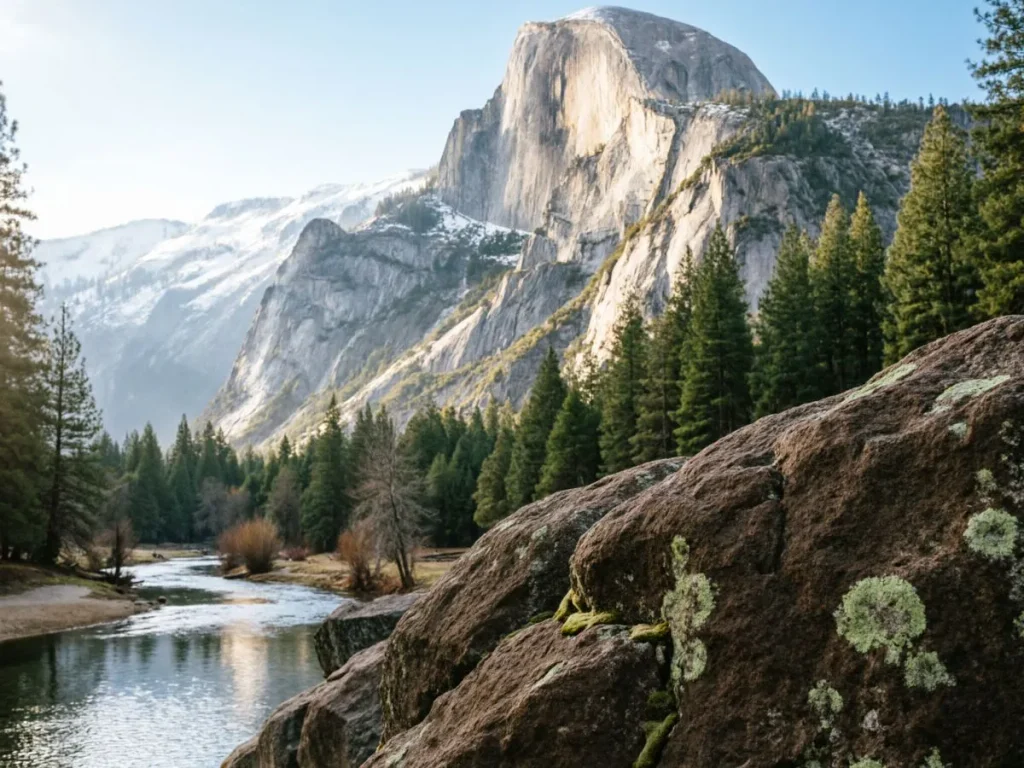
Yosemite is the place to go for dramatic mountain scenery, waterfalls, forests, and famous views such as Yosemite Valley and Tunnel View.
Allow 2–3 days, with late spring through fall offering the widest range of activities.
Budget: $$–$$$
Staying near the park can save valuable driving time. Mariposa and nearby Sierra Nevada communities are other options. Check current park, road, and weather conditions before your visit.
3. Big Sur
Big Sur is all about the journey. Highway 1 follows a spectacular stretch of rugged coastline, with Bixby Creek Bridge, McWay Falls, and ocean viewpoints along the way.
Stay: 1–2 days
Best time: Spring or fall
Budget: $$$
Check Highway 1 conditions before driving. Carmel, Monterey, and Point Lobos can easily be added to the same coastal trip.
4. San Diego
San Diego offers the relaxed beach vacation many travelers want from California. Balboa Park, La Jolla, Coronado, Old Town, and the coastline provide plenty to do over 3–4 days.
Best time: Spring or fall
Budget: $$$
The city is spread out, so choose your hotel based on the areas you plan to visit. Torrey Pines, Carlsbad, and Encinitas are nearby options.
5. Los Angeles
Los Angeles combines entertainment, beaches, food, museums, and famous city sights. Hollywood, Griffith Observatory, Santa Monica, Venice, the Getty Center, and Malibu each offer a different experience.
Plan 3–4 days if you want to see several areas without rushing.
Best time: Spring or fall
Budget: $$$
Plan your days by neighborhood because traffic can add significant travel time. Pasadena, Orange County, and Malibu can work as additions depending on your route.
6. Monterey & Carmel-by-the-Sea
Monterey is known for its waterfront and marine life, while Carmel has charming streets, galleries, restaurants, and beaches.
Stay: 1–2 days
Budget: $$$
Combine them with Big Sur for an efficient coastal route. Point Lobos and Pacific Grove are also nearby.
7. Napa Valley
Napa Valley is ideal for travelers who want wine, food, countryside scenery, and a slower pace. Two days is enough for a relaxed visit without filling every hour with tastings.
Best time: Spring through fall
Budget: $$$$
Plan time for meals and scenery rather than scheduling too many tastings. Sonoma, Calistoga, and St. Helena are nearby.
8. Lake Tahoe
Lake Tahoe works in both summer and winter. Warmer months are great for hiking and boating, while winter brings skiing and snow activities.
Stay: 2–4 days
Budget: $$$
Choose your base carefully because the lake area is large. Truckee and Tahoe City are useful options depending on your plans.
9. Joshua Tree National Park
Joshua Tree feels completely different from California’s coastal cities. Desert landscapes, rock formations, hiking trails, and dark skies make it popular with hikers, photographers, and stargazers.
Stay: 1–2 days
Best time: Fall through spring
Budget: $$
During hot weather, avoid strenuous hiking in the hottest part of the day and carry plenty of water. Palm Springs and the Coachella Valley are nearby.
10. Redwood National & State Parks
Northern California offers a quieter experience among enormous redwood trees, forests, hiking trails, and coastal scenery.
Allow 2–3 days, especially if you want to combine the forests with the coast.
Best time: Late spring through fall
Budget: $$–$$$
Eureka and Crescent City can work as convenient bases. Take your time here rather than trying to cover the region in a single day.
11. Santa Barbara
Santa Barbara is a good choice when you want beaches, restaurants, attractive architecture, and a relaxed coastal atmosphere without a packed sightseeing schedule.
Stay: 1–2 days
Budget: $$$
It also makes a convenient overnight stop between Los Angeles and the Central Coast. Ventura, the Channel Islands, and Santa Ynez Valley are nearby.
12. Palm Springs
Palm Springs is built around relaxation, with pools, restaurants, spas, distinctive architecture, and mountain views.
Stay: 2 days
Best time: Fall through spring
Budget: $$$
It pairs especially well with Joshua Tree if you want to combine desert exploration with a resort-style stay.
13. Sequoia & Kings Canyon National Parks
These parks are worth adding for giant sequoias, deep canyons, forests, and Sierra Nevada mountain scenery.
Stay: 2 days
Best time: Late spring through fall
Budget: $$–$$$
Allow extra time for mountain roads and changing conditions.
14. Death Valley National Park
Death Valley offers some of California’s most unusual landscapes, including salt flats, dunes, mountains, and wide-open desert scenery.
Stay: 1–2 days
Best time: Late fall through early spring
Budget: $$
Summer heat can be extreme, so cooler months are much more practical. Carry plenty of water. The Eastern Sierra or Las Vegas can be combined with Death Valley depending on your route.
15. Laguna Beach
Laguna Beach combines beaches, rocky coves, ocean viewpoints, galleries, and a scenic coastal setting.
Stay: 1–2 days
Best time: Spring through fall
Budget: $$$
Explore early and stay for sunset. Newport Beach, Huntington Beach, and Dana Point are nearby.
California Destinations at a Glance
| Travel Interest | Destination |
| City and culture | San Francisco |
| Mountains and waterfalls | Yosemite |
| Scenic coastline | Big Sur |
| Beaches and families | San Diego |
| Entertainment | Los Angeles |
| Charming coastal towns | Monterey & Carmel |
| Wine and food | Napa Valley |
| Lake and mountain activities | Lake Tahoe |
| Desert scenery | Joshua Tree |
| Giant trees | Redwood National & State Parks |
| Relaxed coastal getaway | Santa Barbara |
| Desert resort | Palm Springs |
| Giant sequoias | Sequoia & Kings Canyon |
| Extreme desert landscapes | Death Valley |
| Beach, art, and photography | Laguna Beach |
Best Time to Visit California
There is no single best month for the entire state because California’s regions have different climates and activities.
Spring (March–May): Good for coastal trips, waterfalls, desert destinations, and general sightseeing.
Summer (June–August): Best suited to Lake Tahoe, mountain areas, redwood country, and family vacations, although popular places can be crowded.
Fall (September–November): Excellent for cities, coastal travel, and road trips. September and October can offer a good balance of weather and crowds.
Winter (December–February): A good time for Southern California, Palm Springs, Joshua Tree, and Death Valley. Mountain destinations are popular for snow activities.
For a trip covering several regions, April–May and September–October are practical choices.
Easy California Itineraries
3 Days
Pick one region instead of trying to cross the state.
San Francisco: Golden Gate Bridge → Alcatraz → Chinatown → Golden Gate Park
San Diego: Balboa Park → La Jolla → Coronado
Los Angeles: Hollywood → Griffith Observatory → Santa Monica → Venice
5 Days
San Francisco → Monterey & Carmel → Big Sur → Santa Barbara → Los Angeles
This route gives you a good mix of city and coastline without unnecessary backtracking.
7 Days
San Francisco → Monterey/Carmel → Big Sur → Santa Barbara → Los Angeles → Laguna Beach
If Yosemite is a priority, build the trip around Yosemite instead of squeezing it into a busy coastal route.
California Travel Budget
California can be expensive, particularly in major cities, Napa Valley, and popular coastal areas. Your total cost depends on the season, accommodation, transportation, and dining choices.
| Expense | Planning Range |
| Budget accommodation | $70–$140+ per night |
| Mid-range accommodation | $140–$280+ |
| Upscale accommodation | $280–$500+ |
| Budget food | $30–$50 per person/day |
| Mid-range food | $50–$90 per person/day |
Rental-car prices vary by location, season, and vehicle.
To save money, consider shoulder-season travel, staying outside premium tourist areas, comparing hotel rates with parking included, using public transportation in cities, and preparing some meals yourself.
Getting Around California
A car is usually the easiest option for road trips, especially for Big Sur, Yosemite, Joshua Tree, Napa Valley, Lake Tahoe, Death Valley, and the redwood coast.
In major cities, the situation is different. San Francisco can be explored without a car, while other cities may work better with a combination of public transportation and rideshare services.
For longer trips, you can rent a car only for the road-trip portion. An open-jaw flight—such as flying into San Francisco and returning from Los Angeles or San Diego—can also reduce backtracking.
Most importantly, plan around driving time, not just distance. Mountain roads and coastal routes can make short-looking journeys take much longer.
Where to Stay in California
Your location can make a big difference to both convenience and cost.
First-time visitors: San Francisco, Monterey/Carmel, Santa Barbara, Los Angeles, or San Diego
Families: San Diego, Monterey, Lake Tahoe, or Anaheim
Couples: Carmel, Big Sur, Napa Valley, Santa Barbara, or Palm Springs
Lower-cost stays: Look at smaller towns outside the busiest tourist centers, especially those with free parking and lower hotel rates.
California Foods to Try
California’s food scene changes as you travel around the state. Depending on your route, try:
- Fish tacos
- California burritos
- Sourdough bread
- Dungeness crab
- Cioppino
- Santa Maria-style barbecue
- Central Coast seafood
- Mexican and Mexican-American dishes
- Farmers-market produce
- California wine
Rather than looking for one dish that represents the entire state, try local specialties in each region.
Practical California Travel Tips
- Pack layers: Coastal, desert, and mountain temperatures can vary widely.
- Download offline maps: Cell service can be limited in remote parks.
- Check conditions: Road closures, wildfire activity, snow, and weather can affect your plans.
- Start early: Popular parks, viewpoints, and attractions are usually easier to enjoy before peak crowds.
- Keep family days manageable: One major attraction and one outdoor activity may be enough.
- Solo travelers: San Francisco, San Diego, and coastal towns can make convenient bases.
- Accessibility: Check individual parks and attractions because accessible facilities and routes vary.
- Photography: Early morning and late afternoon often provide better light, but never stop somewhere unsafe for a photo.
FAQs
What are the best places in California for a first-time visitor?
San Francisco, Yosemite, Big Sur, San Diego, Los Angeles, and Monterey are useful starting points because they combine cities, nature, beaches, and scenic travel.
How many days do you need in California?
About 7 days works well for two or three regions, while 10–14 days allows for a more relaxed road trip. If you focus on one region, 3 days can be enough.
What are the best places in California for couples?
Carmel, Big Sur, Napa Valley, Santa Barbara, and Palm Springs are good choices for scenery, food, beaches, wine, and relaxed stays.
What are the best places in California for families?
San Diego, Monterey, Lake Tahoe, and Anaheim offer a mix of attractions, outdoor activities, and accommodation options for families.
Is California expensive to visit?
It can be, especially in major cities, Napa Valley, and popular coastal areas. Traveling during shoulder seasons, choosing less expensive accommodation, using public transportation, and preparing some meals can help reduce costs.
Do you need a car in California?
Not everywhere. San Francisco can be explored without one, but a car is much more useful for national parks, Big Sur, wine country, and longer road trips.
What is a good first-time California road trip?
A practical route is San Francisco → Monterey → Big Sur → Santa Barbara → Los Angeles. It combines city attractions, coastline, food, and scenery without trying to cover the entire state.
Conclusion
California is too large to experience by simply checking destinations off a list. Choose places that match your interests and fit naturally into your route. San Francisco, Yosemite, Big Sur, San Diego, and Los Angeles offer a strong mix of city, nature, beaches, and scenery, while Napa Valley, Lake Tahoe, Joshua Tree, the redwoods, and other destinations add different experiences.
With 7–10 days, you can see a lot of California without spending most of your vacation behind the wheel.

Mark Johanson is an experienced travel and destination writer who has explored and written extensively about remarkable places around the world, bringing years of firsthand knowledge and practical insight to readers worldwide through Elvorixx.
3 thoughts on “Best Places in California: 15 Must-Visit Destinations for 2026”