
Vermont may be small, but it packs a lot into its mountain valleys, lakes, forests, and historic towns. The best places to visit in Vermont include Stowe, Burlington, Woodstock, Manchester, Lake Champlain, and the Green Mountains. You can spend a trip hiking and skiing, exploring small towns, following scenic roads, or simply enjoying Vermont’s slower pace. A car also makes it much easier to connect several destinations in one trip.
Quick Answer:
The best places to visit in Vermont include Stowe, Burlington, Woodstock, Manchester, Lake Champlain, Route 100, Bennington, Shelburne, Montpelier, Quechee Gorge, Killington, the Green Mountain National Forest, Brattleboro, the Northeast Kingdom, and Wilmington. For a first visit, Stowe, Woodstock, and Burlington make a good starting point, while Route 100 and southern Vermont work well for a longer road trip.
1. Stowe
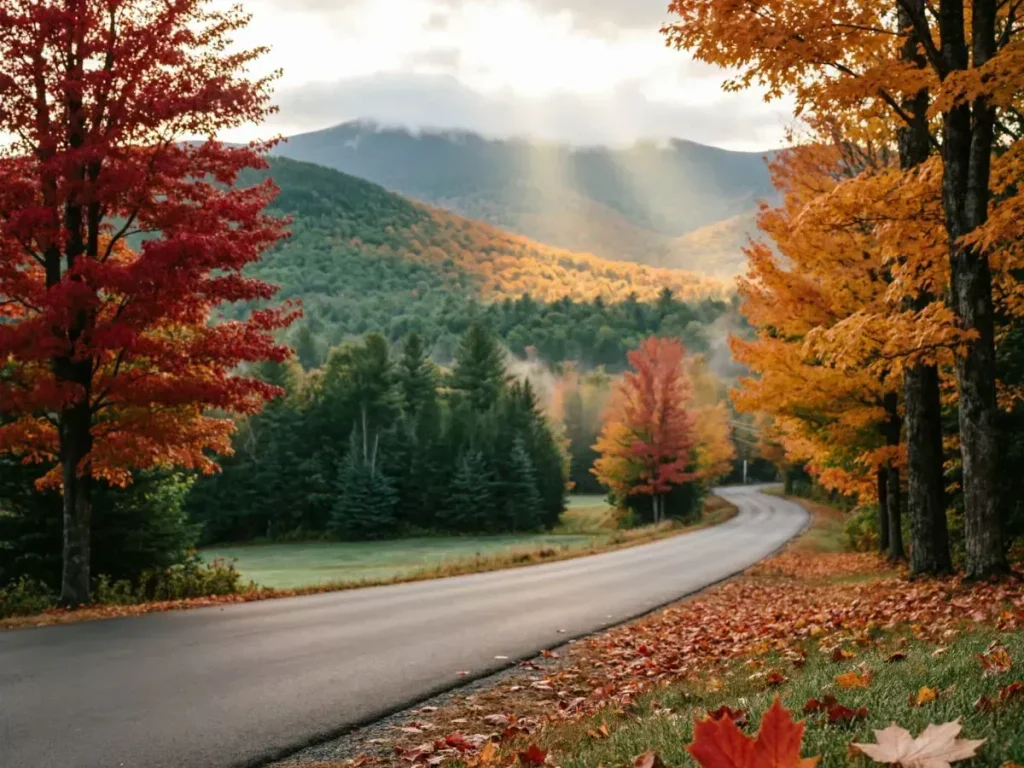
Stowe is a natural choice if you want mountains without giving up a walkable town. Mount Mansfield, Vermont’s highest peak, is nearby, while the village has shops, restaurants, and easy access to outdoor activities. In warmer months, hiking, biking, and the Stowe Recreation Path are popular; winter brings skiing and snowboarding. Allow 1–2 days.
2. Burlington
Set beside Lake Champlain, Burlington combines waterfront views with a lively downtown. Walk along Church Street Marketplace, explore the lakefront, or spend some time on the Burlington Bike Path. It is also a useful base for exploring northern Vermont. Plan 1–2 days.
3. Woodstock
Woodstock has the historic village atmosphere many visitors expect from Vermont, but there is more to do beyond the downtown streets. Nearby attractions include Marsh-Billings-Rockefeller National Historical Park, covered bridges, Quechee Gorge, and Billings Farm & Museum. One day is enough for the main sights.
4. Manchester
Manchester works particularly well for a southern Vermont road trip. You can explore its village and shopping areas, then head into the surrounding mountains for hiking and scenic drives. Mount Equinox and the nearby Green Mountain National Forest add plenty of outdoor options. Allow one day.
5. Lake Champlain
Vermont’s Lake Champlain shoreline offers a different side of the state. Depending on the season, you can go kayaking, boating, cycling, or simply enjoy the waterfront. Burlington and Shelburne are convenient places to combine lake activities with sightseeing. Allow 1–2 days.
6. Vermont Route 100
Route 100 is less a single attraction than a way to experience Vermont. The north-south highway passes mountain communities, ski areas, forests, waterfalls, and scenic viewpoints, making it especially appealing during fall foliage season. Rather than rushing through it, choose a section that fits your route and stop along the way.
7. Bennington
In southern Vermont, Bennington offers history alongside classic New England scenery. Visit the Bennington Battle Monument, explore the downtown area, and look for some of the region’s historic covered bridges. The West Arlington Bridge and other bridges around the area can be added to a scenic driving route. Allow half a day to one day.
8. Quechee Gorge
Known as the “Grand Canyon of Vermont,” Quechee Gorge is an easy addition to a trip around Woodstock and central Vermont. You can view the gorge from the bridge and follow nearby trails without needing a full day. Two to four hours is usually enough for a short visit.
9. Green Mountain National Forest
For hiking, camping, wildlife, and quieter mountain scenery, head into the Green Mountain National Forest. The forest covers a large part of central and southern Vermont, so it is better to choose trails or areas that fit your route rather than trying to cover too much. Plan 1–2 days if hiking is a major part of your trip.
10. Shelburne
Just south of Burlington, Shelburne is a good stop for travelers interested in Vermont’s history, art, farms, and Lake Champlain. Shelburne Museum and Shelburne Farms are the main draws, while the surrounding area gives you an easy break from the city. Allow half a day to one day.
11. Montpelier
Vermont’s capital is small enough to explore without a packed itinerary. The Vermont State House, historic downtown, Vermont History Museum, and Hubbard Park are the main places to consider. It is a good stop when driving between central Vermont destinations. Half a day to one day is enough.
12. Killington
Killington is best known for winter sports, but the area also attracts visitors in warmer months for hiking and mountain biking. If skiing is your priority, give yourself 1–2 days; otherwise, it can fit into a broader central Vermont road trip.
13. Brattleboro
Brattleboro has a more artsy, independent feel than many of Vermont’s smaller mountain towns. Its downtown has local shops, galleries, restaurants, and cultural venues, making it a good southern Vermont stop when you want a break from outdoor activities. Allow half a day to one day.
14. Northeast Kingdom
Vermont’s Northeast Kingdom is the place to go when you want more space and fewer built-up areas. The region is known for forests, lakes, small towns, and scenic drives. Lake Willoughby is one of the standout stops. Give the region 2–3 days if you want to explore beyond a quick drive-through.
15. Wilmington
Wilmington is a small mountain town that works well for an outdoor-focused southern Vermont trip. Nearby trails, lakes, and Mount Snow make it useful in both summer and winter, while the village itself is easy to explore at a relaxed pace. Plan half a day to one day.
Best Time to Visit Vermont
Fall is the most popular season for foliage and scenic drives. Summer is ideal for hiking, cycling, lakes, and road trips. Winter is the season for skiing and snowboarding, while spring is generally quieter but can bring muddy trails and changing conditions.
How Many Days Do You Need?
For a 3-day trip, focus on Burlington, Stowe, and Woodstock. With 5 days, add Route 100, Quechee Gorge, or southern Vermont. A 7-day trip or longer gives you enough time to combine northern Vermont, central mountain areas, and destinations farther south.
Getting Around Vermont
A car is the most practical way to explore Vermont, especially if you want to visit small towns, scenic roads, covered bridges, and outdoor areas. Public transportation can work between some larger communities, but it is less convenient for a multi-stop sightseeing trip.
What Is Vermont Known For?
Vermont is best known for fall foliage, the Green Mountains, maple products, farms, covered bridges, skiing, small towns, artisan food, and outdoor recreation. Much of the appeal comes from combining several of these experiences on the same trip rather than staying in one place.
Final Thoughts
Vermont is easiest to enjoy when you give yourself time to slow down between destinations. Pick a few towns, mountain areas, lakes, or scenic roads that match your interests instead of trying to see the entire state at once. For a first trip, Stowe, Burlington, Woodstock, and Route 100 provide a strong introduction, while southern Vermont and the Northeast Kingdom offer plenty of reasons to return.
Related Posts
- Best Places to Visit in Michigan: 12 Must-See Places
- Best Places to Visit in Alaska: 15 Top Destinations
- Best Places to Visit in Maine: 12 Must-See Destinations

Mark Johanson is an experienced American travel journalist specializing in destinations, adventure, and travel. He has written for major publications and co-authored numerous Lonely Planet travel guides covering destinations worldwide.
3 thoughts on “Best Places to Visit in Vermont: 15 Top Places to See”