
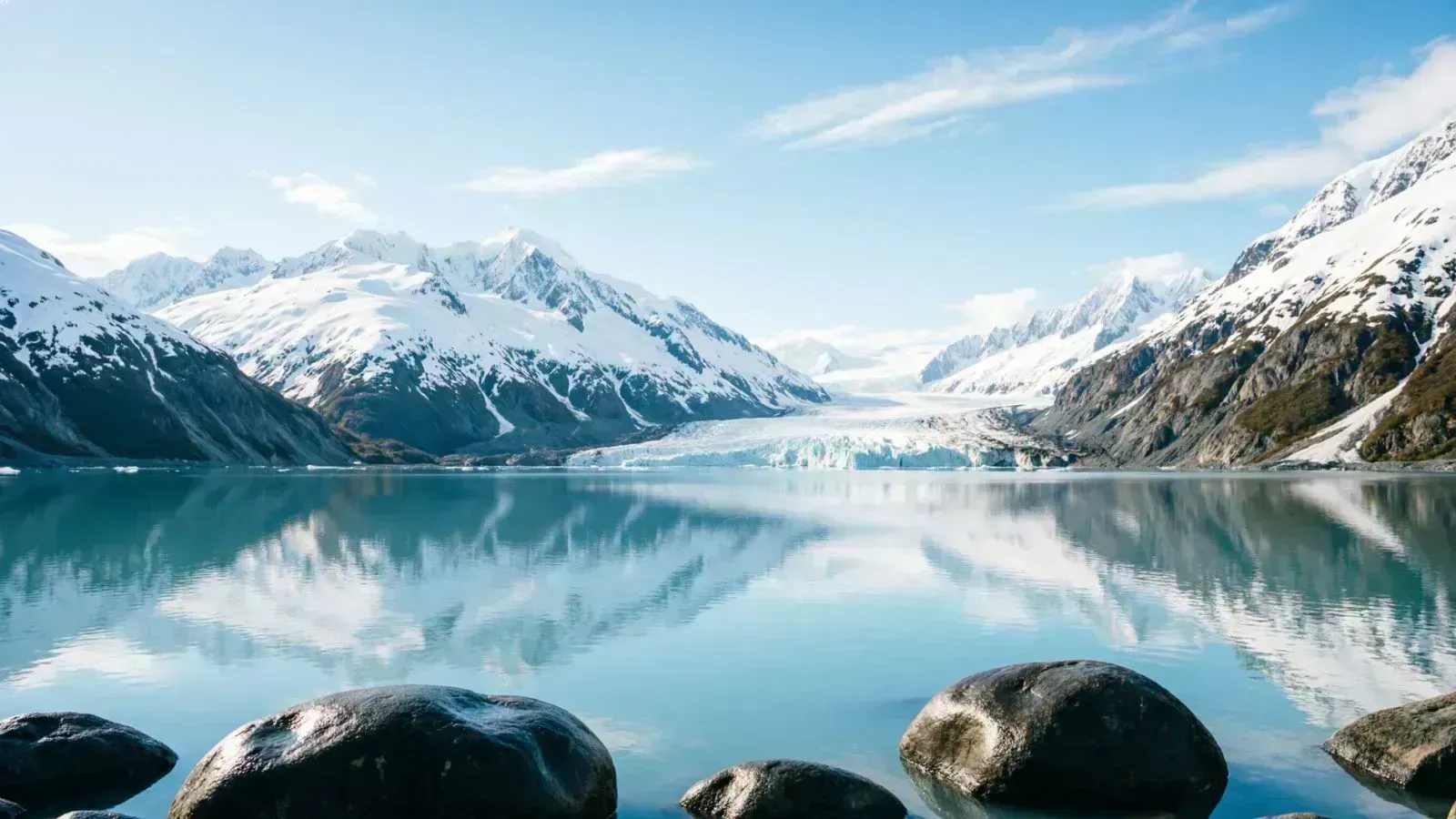
Alaska is where mountains, glaciers, wildlife, and wild coastlines come together on a huge scale. The best places to visit in Alaska include Anchorage, Denali, Seward, Fairbanks, Juneau, Homer, and Glacier Bay. Since the distances are vast, choosing the right region can make your trip easier and give you more time to actually enjoy each place. .
Quick Answer:
The best places to visit in Alaska include Anchorage, Denali, Seward, Kenai Fjords, Fairbanks, Juneau, Glacier Bay, Homer, Girdwood, Talkeetna, Valdez, Sitka, Ketchikan, Wrangell–St. Elias, and Kodiak. For a first trip, Southcentral Alaska offers the easiest mix of mountains, glaciers, wildlife, coastal scenery, and road-trip stops.
1. Anchorage
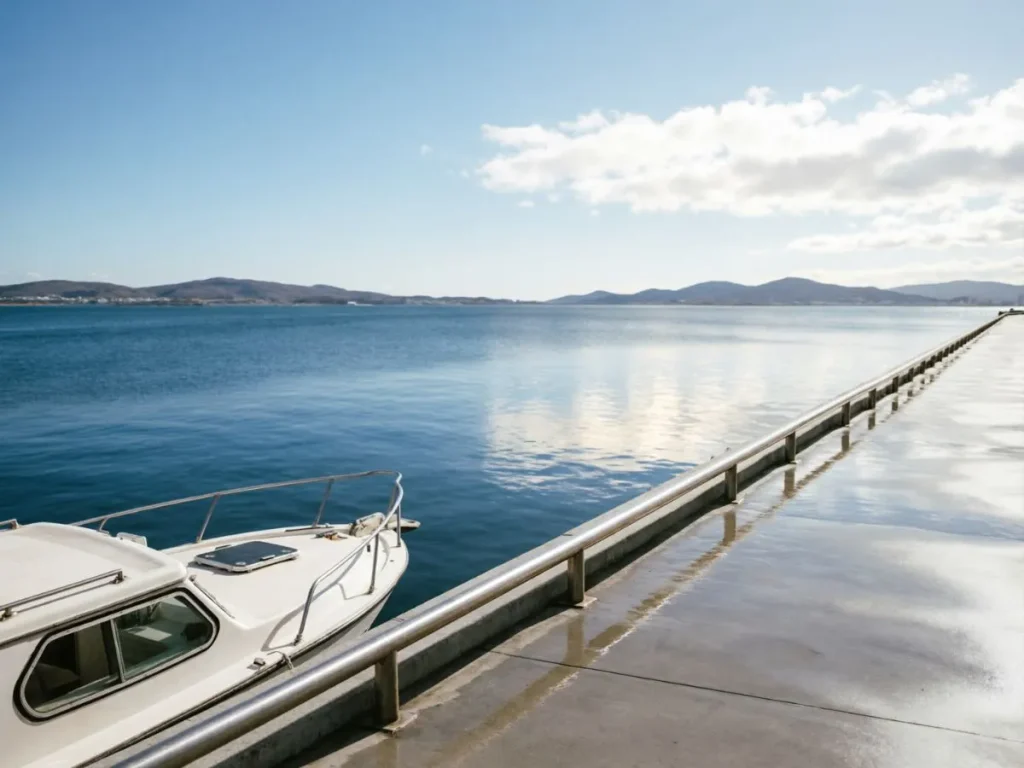
Most Alaska trips begin in Anchorage, but the city is worth more than a quick overnight. You can explore museums and restaurants, walk coastal trails, look for wildlife, and use the city as a base for trips into Southcentral Alaska. It is also a convenient starting point for journeys toward Denali, Seward, and other parts of the state.
Best for: First-time visitors, food, culture, hiking
Time needed: 2–3 days
2. Denali National Park and Preserve
Denali brings together vast wilderness, alpine scenery, abundant wildlife, and North America’s tallest peak. Summer is the main season for visiting, with hiking, ranger programs, and park bus trips available.
One important planning detail: the Denali Park Road is currently affected by the Pretty Rocks landslide. Check current National Park Service conditions before deciding how much time to spend in the park.
Best for: Wildlife, mountains, hiking, wilderness
Time needed: 2–3 days
3. Seward
Seward is where Alaska’s coastal scenery really opens up. The drive from Anchorage along the Seward Highway is part of the experience, and once you arrive, you have easy access to Kenai Fjords, Exit Glacier, hiking trails, kayaking, and wildlife cruises.
Best for: Glaciers, wildlife, boat tours
Time needed: 1–2 days
4. Kenai Fjords National Park
From Seward, Kenai Fjords offers a close look at tidewater glaciers, rugged coastlines, deep fjords, and marine wildlife. Boat tours are the main way to explore its coastal waters, while Exit Glacier provides an accessible land-based experience.
Best for: Glaciers, whales, fjords, kayaking
Time needed: 1–2 days
5. Fairbanks
Fairbanks feels very different from Alaska’s coastal destinations. It is a practical base for exploring the Interior and one of the state’s better-known places for northern-lights trips during the darker months. In summer, the extremely long daylight hours leave plenty of time for hiking, river activities, museums, and excursions.
Best for: Northern lights, Interior Alaska, winter travel
Time needed: 2–3 days
6. Juneau
Surrounded by mountains, waterways, and glaciers, Juneau has a setting that few state capitals can match. Mendenhall Glacier, whale watching, hiking, and boat excursions are among its main draws. Because Juneau is not connected to Alaska’s main road network, it is usually reached by air, ferry, or cruise ship.
Best for: Glaciers, wildlife, hiking, cruises
Time needed: 2–3 days
7. Glacier Bay National Park and Preserve
Glacier Bay is a natural choice for travelers who want glaciers and marine wilderness in the same trip. Boat excursions take visitors toward tidewater glaciers, with chances to see whales, sea otters, sea lions, and other wildlife.
It also fits neatly into a Southeast Alaska cruise or a longer Juneau itinerary.
Best for: Glaciers, marine wildlife, boat trips
Time needed: 1–2 days
8. Homer
Homer sits at the end of the Kenai Peninsula, with Kachemak Bay and mountains providing the backdrop. The Homer Spit is the center of much of the action, with fishing trips, kayaking, water taxis, wildlife excursions, restaurants, and waterfront views.
Unlike a quick sightseeing stop, Homer works well when you want to slow down and spend a few days in one place.
Best for: Fishing, wildlife, coastal scenery, food
Time needed: 2–3 days
9. Girdwood
Just south of Anchorage, Girdwood makes an easy mountain stop without requiring a long detour. Alyeska Resort draws visitors for skiing and winter activities, while summer brings hiking, biking, and mountain scenery.
Best for: Skiing, hiking, mountains
Time needed: 1–2 days
10. Talkeetna
Talkeetna is a small historic town north of Anchorage and a popular starting point for flightseeing around Denali. Its compact downtown and riverfront setting make it a pleasant stop between Anchorage and Denali, especially on a road or rail journey.
Best for: Flightseeing, small towns, mountain views
Time needed: Half–1 day
11. Valdez
Valdez is surrounded by mountains, waterfalls, glaciers, and sheltered coastal waters. Summer is the ideal time to combine glacier cruises with kayaking, fishing, and hiking. The town is farther from Anchorage, though, so give the drive enough room in your itinerary rather than treating Valdez as a quick side trip.
Best for: Glaciers, waterfalls, kayaking, fishing
Time needed: 1–2 days
12. Sitka
Sitka brings together rainforest, mountains, wildlife, and a history shaped by both Alaska Native cultures and Russian influence. Its island setting gives it a different feel from the road-connected communities around Anchorage and makes it a strong choice for a Southeast Alaska trip.
Best for: History, wildlife, rainforest, culture
Time needed: 1–2 days
13. Ketchikan
Ketchikan is a popular Southeast Alaska stop, particularly for cruise travelers. Its waterfront, fishing heritage, rainforest, and Alaska Native cultural attractions can be explored in a short visit. If you have more time, fishing and wildlife excursions take you beyond the town center.
Best for: Cruises, culture, fishing, rainforest
Time needed: 1 day
14. Wrangell–St. Elias National Park and Preserve
If you want Alaska to feel truly remote, Wrangell–St. Elias is worth considering. The enormous park contains mountains, glaciers, rivers, and historic mining landscapes. Getting into its more remote areas takes more planning than visiting Alaska’s major road-trip stops, so it deserves several days rather than a rushed visit.
Best for: Wilderness, glaciers, hiking, remote travel
Time needed: 2–4 days
15. Kodiak
Kodiak Island offers rugged coastline, forests, mountains, fishing communities, and abundant wildlife. Its Kodiak brown bears are a major attraction, particularly for photographers and travelers interested in wildlife. Bear-viewing trips often require additional transportation and advance planning.
Best for: Wildlife, fishing, photography
Time needed: 2–3 days
Best Time to Visit Alaska
For the classic Alaska experience, June through August offers the broadest range of outdoor activities, long daylight hours, road access, wildlife tours, cruises, and national park services.
- May: Fewer visitors and long days, though some seasonal services may still be limited.
- June–August: Best for hiking, road trips, wildlife, cruises, and outdoor adventures.
- September: Cooler temperatures, fewer visitors, fall scenery, and increasing northern-lights opportunities.
- October–April: Best suited to winter activities and northern lights, but many summer attractions have reduced access.
Conditions vary by region, so check current weather, road conditions, and seasonal operating dates before traveling.
Getting Around Alaska
A rental car gives you the most flexibility in Southcentral and Interior Alaska. Routes such as Anchorage → Talkeetna → Denali or Anchorage → Seward → Homer are much easier when you control your own schedule.
The Alaska Railroad is another option between Anchorage, Denali, and Fairbanks during its operating season.
Southeast Alaska requires a different approach. Juneau, Sitka, and Ketchikan are not connected to the main road network, so travelers generally rely on planes, ferries, or cruise ships.
The key is to plan the region before booking transportation. Alaska’s distances can turn an ambitious itinerary into a lot of driving.
Where to Stay
Your overnight stops should follow the route rather than forcing you to backtrack.
- Anchorage: Convenient for starting or ending a Southcentral trip.
- Denali area: Allows more time for the national park.
- Seward: Practical base for Kenai Fjords.
- Homer: Useful for Kachemak Bay and fishing trips.
- Fairbanks: Good base for Interior Alaska.
- Juneau: Convenient for Southeast excursions.
- Girdwood: Mountain setting close to Anchorage.
- Valdez: Useful for glaciers and coastal adventures.
Summer accommodations and popular tours can fill early, especially in smaller communities.
How Many Days Do You Need in Alaska?
For a first trip, 7–10 days works well if you focus on one region.
Southcentral: Anchorage → Girdwood → Seward → Kenai Fjords → Homer
Interior: Anchorage → Talkeetna → Denali → Fairbanks
Southeast: Juneau → Glacier Bay → Sitka or Ketchikan
Two weeks gives you more room to combine regions. With less than a week, staying within one region will usually leave more time for actual exploring.
What to Pack for Alaska
Alaska’s weather can change quickly, so layers are more useful than packing around a single forecast.
Bring a waterproof outer layer, warm mid-layer, waterproof walking shoes, hat and gloves, insect repellent for summer, binoculars, and a daypack for hikes and excursions.
In bear country, keep food and scented items secured. In remote areas, do not assume you will have reliable cell service.
FAQs
What is the best place to visit in Alaska for a first trip?
A Southcentral route through Anchorage, Seward, Denali, and Homer gives first-time visitors a broad mix of cities, mountains, glaciers, wildlife, and coastal scenery without requiring several flights.
Is Alaska good for a road trip?
Yes. Southcentral and Interior Alaska are especially suitable for road trips. Southeast Alaska is better explored by air, ferry, or cruise because many communities are not connected by roads.
What is the best month to visit Alaska?
June through August is the easiest period for a classic summer trip. September offers cooler weather, fewer visitors, fall scenery, and growing opportunities to see the northern lights.
How long should I spend in Alaska?
Allow 7–10 days for one focused region. With two weeks, you can combine regions without making every day a long travel day.
Is Alaska expensive?
It can be, particularly in summer. Accommodation, transportation, tours, and remote excursions can add up quickly. Booking early and limiting unnecessary long-distance transfers can help keep the trip manageable.
Conclusion
Alaska is best explored at a pace that leaves room to enjoy the journey. Choose one region, plan around the experiences you want, and give yourself enough time between stops. Denali, Anchorage, Seward, Kenai Fjords, Fairbanks, Juneau, Homer, and Glacier Bay offer a great mix of mountains, glaciers, wildlife, and coastal scenery. Plan for long distances and changing weather, and your trip will be much easier to enjoy.
Related Posts
- Best Places to Visit in America, From Iconic Cities to Scenic Getaways?
- Best Places in California: 15 Must-Visit Destinations for 2026
- Best Places to Visit in the US: 25 Destinations for Every Trip

Mark Johanson is an experienced travel and destination writer who has explored and written extensively about remarkable places around the world, bringing years of firsthand knowledge and practical insight to readers worldwide through Elvorixx.
One thought on “Best Places to Visit in Alaska: 15 Top Destinations”