
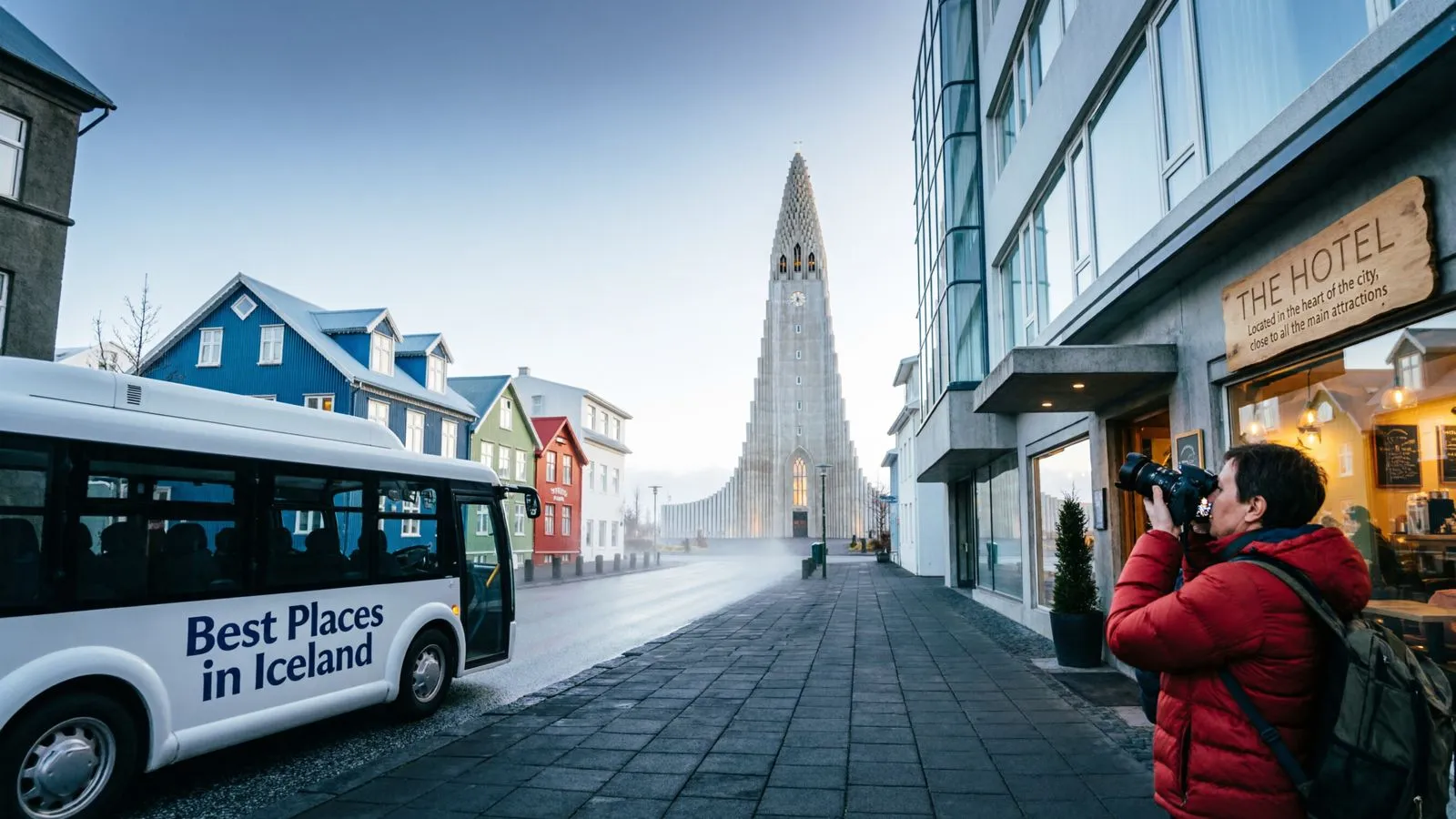
Iceland does not feel like a typical European destination. Waterfalls crash through volcanic valleys, glaciers drift toward black-sand beaches, and geothermal steam rises from the ground. The best places to visit in Iceland include the Golden Circle, Jökulsárlón, Reynisfjara, Seljalandsfoss, Snæfellsnes, Landmannalaugar, and Iceland’s famous geothermal areas. Together, they reveal the landscapes and experiences that make Iceland so unforgettable.
Quick Answer:
For a first trip, focus on Reykjavík, the Golden Circle, and the South Coast. Add Jökulsárlón for glaciers and icebergs, Snæfellsnes for varied scenery, or Landmannalaugar for hiking. November brings winter scenery and dark skies for Northern Lights viewing, but shorter days and changing weather mean you should keep your plans flexible.
10 Best Places to Visit in Iceland
1. Gullfoss Waterfall
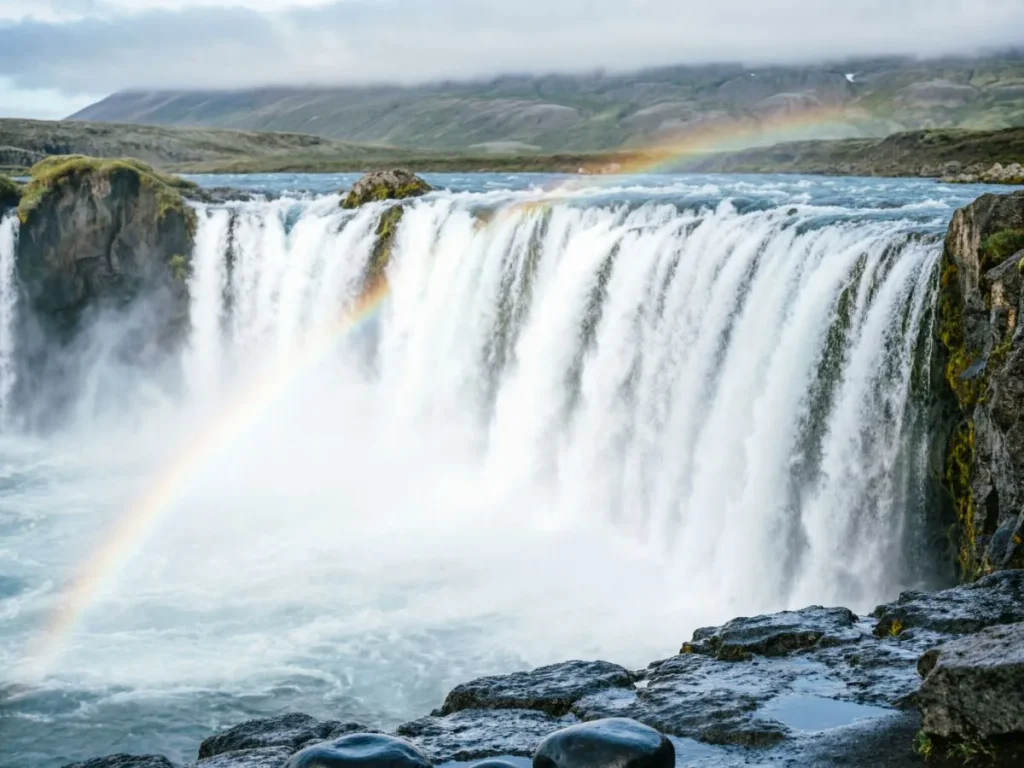
Gullfoss is one of Iceland’s most impressive waterfalls and a classic Golden Circle stop. The Hvítá River plunges through a dramatic canyon in two powerful stages, creating a view that feels especially wild in winter.
Best for: Waterfalls and photography
Time needed: 1–2 hours
November temperature: About −2°C to 4°C
2. Geysir Geothermal Area
The Geysir geothermal area gave the English language the word “geyser.” Today, Strokkur is the star, regularly erupting beside steaming vents, hot springs, and colorful geothermal ground.
Best for: Geothermal scenery
Time needed: 1–2 hours
November temperature: About −2°C to 4°C
3. Þingvellir National Park
Þingvellir is where Iceland’s history and geology come together. It was the historic meeting place of Alþingi and sits along the visible rift between the North American and Eurasian tectonic plates. It also fits naturally into a Golden Circle day.
Best for: History, geology, and scenery
Time needed: 2–3 hours
November temperature: About −2°C to 4°C
4. Jökulsárlón Glacier Lagoon & Diamond Beach
Jökulsárlón is filled with floating pieces of glacial ice, while nearby Diamond Beach places chunks of ice against black volcanic sand. Seeing the lagoon and beach together makes this one of the South Coast’s most memorable stops.
Best for: Glaciers, icebergs, and photography
Time needed: 2–3 hours
November temperature: About −1°C to 5°C
5. Reynisfjara Black Sand Beach
Near Vík, Reynisfjara combines black volcanic sand, basalt columns, and the Reynisdrangar sea stacks. It is beautiful but can be dangerous. Sneaker waves can reach surprisingly far up the beach, so stay well away from the water and follow local safety warnings.
Best for: Coastal scenery and photography
Time needed: 1–2 hours
November temperature: About 2°C to 7°C
6. Seljalandsfoss Waterfall
Seljalandsfoss lets you get unusually close to a waterfall, and when conditions allow, you can see it from behind. The spray is part of the experience, so waterproof clothing and sturdy footwear are worth bringing, especially in November.
Best for: Waterfalls and close-up views
Time needed: About 1 hour
November temperature: About 1°C to 6°C
7. Snæfellsnes Peninsula & Kirkjufell
Snæfellsnes is often described as Iceland in miniature because it brings together lava fields, beaches, cliffs, fishing villages, and mountains. Kirkjufell is its most recognizable landmark and one of Iceland’s favorite photography spots.
Best for: Scenic drives and varied landscapes
Time needed: 2–3 days
November temperature: About 0°C to 5°C
8. Krýsuvík Geothermal Area
Krýsuvík on the Reykjanes Peninsula shows Iceland’s volcanic side through steaming vents, mud pots, and colorful mineral deposits. The Seltún area is particularly interesting and makes a good shorter stop near Reykjavík.
Best for: Volcanic and geothermal landscapes
Time needed: 1–2 hours
November temperature: About 1°C to 6°C
9. Landmannalaugar Highlands
Landmannalaugar is known for colorful rhyolite mountains, lava fields, hiking trails, and natural hot springs. It is also the starting point for the famous Laugavegur trail. Because this is a highland area, exposure, weather, and access conditions matter more in November, so check current conditions before planning a visit.
Best for: Hiking and wilderness
Time needed: 1 day in the accessible season
November temperature: About −5°C to 2°C
10. Geothermal Lagoons
Geothermal bathing is deeply connected to Icelandic culture. The Blue Lagoon and Sky Lagoon are the best-known options, while local public pools offer a more everyday Icelandic experience. A warm soak feels particularly rewarding when the air is cold.
Best for: Relaxation and winter experiences
Time needed: 2–3 hours
November temperature: About 1°C to 6°C
Best Time to Visit Iceland + Christmas Week Planning
June through August is the easiest period for long road trips, hiking, and extended daylight. September through April offers darker skies for Northern Lights opportunities, but winter conditions require more flexibility. November can be atmospheric, although daylight is limited and weather can change quickly.
Christmas week brings festive lights, seasonal events, geothermal pools, and Northern Lights tours, particularly around Reykjavík. Book accommodation and popular activities early, and avoid making winter road plans too tight.
Getting Around Iceland
A rental car gives you the freedom to explore at your own pace. Guided tours are a good alternative if you would rather not drive, especially in winter. The Ring Road connects much of the country, while the Golden Circle and Snæfellsnes work well as shorter scenic trips. Always check weather and road conditions before longer drives.
Where to Stay
Reykjavík is the easiest base for your first few days. For the South Coast, Vík and Höfn are useful overnight stops. Staying on Snæfellsnes gives you more time to explore the peninsula without repeatedly driving back to the capital.
How Many Days Do You Need?
5–7 days: Reykjavík, Golden Circle, and South Coast highlights.
8–10 days: Add Jökulsárlón and more South Coast stops.
10–14 days: Allow time for a broader Ring Road trip and weather delays.
What to Pack
Bring waterproof outerwear, warm layers, gloves, a hat, and sturdy waterproof shoes. Pack swimwear for geothermal lagoons and traction aids for icy paths. In November, prepare for wind, rain, snow, and sudden weather changes rather than relying on one heavy coat.
FAQs
What is the best place to visit in Iceland for first-time visitors?
The Golden Circle and South Coast offer the best introduction to Iceland’s famous landscapes.
Is Iceland worth visiting in November?
Yes. You can enjoy winter scenery and Northern Lights opportunities, but limited daylight and changing weather require flexible planning.
How many days do you need in Iceland?
Seven days works for the main highlights, while 10–14 days gives you more freedom to explore.
What is Iceland famous for?
Iceland is famous for glaciers, waterfalls, volcanoes, geothermal areas, black-sand beaches, and dramatic landscapes.
Conclusion
Iceland is best experienced as a journey through very different landscapes rather than a checklist of attractions. Start with the Golden Circle and South Coast, then add glaciers, black-sand beaches, volcanic scenery, or geothermal lagoons according to your interests. In November, realistic driving times, proper clothing, and a flexible itinerary matter. Plan around the conditions, leave room to stop, and Iceland will do the rest.
Related Posts
- Best Places to Visit in Asia: 10 Breathtaking Destinations for 2026
- Best Places to Visit in London: 10 Must-See Areas & Attractions
- Best Places to Visit in Europe: 10 Beautiful Destinations Worth the Trip

Mark Johanson is an experienced American travel journalist specializing in destinations, adventure, and travel. He has written for major publications and co-authored numerous Lonely Planet travel guides covering destinations worldwide.