
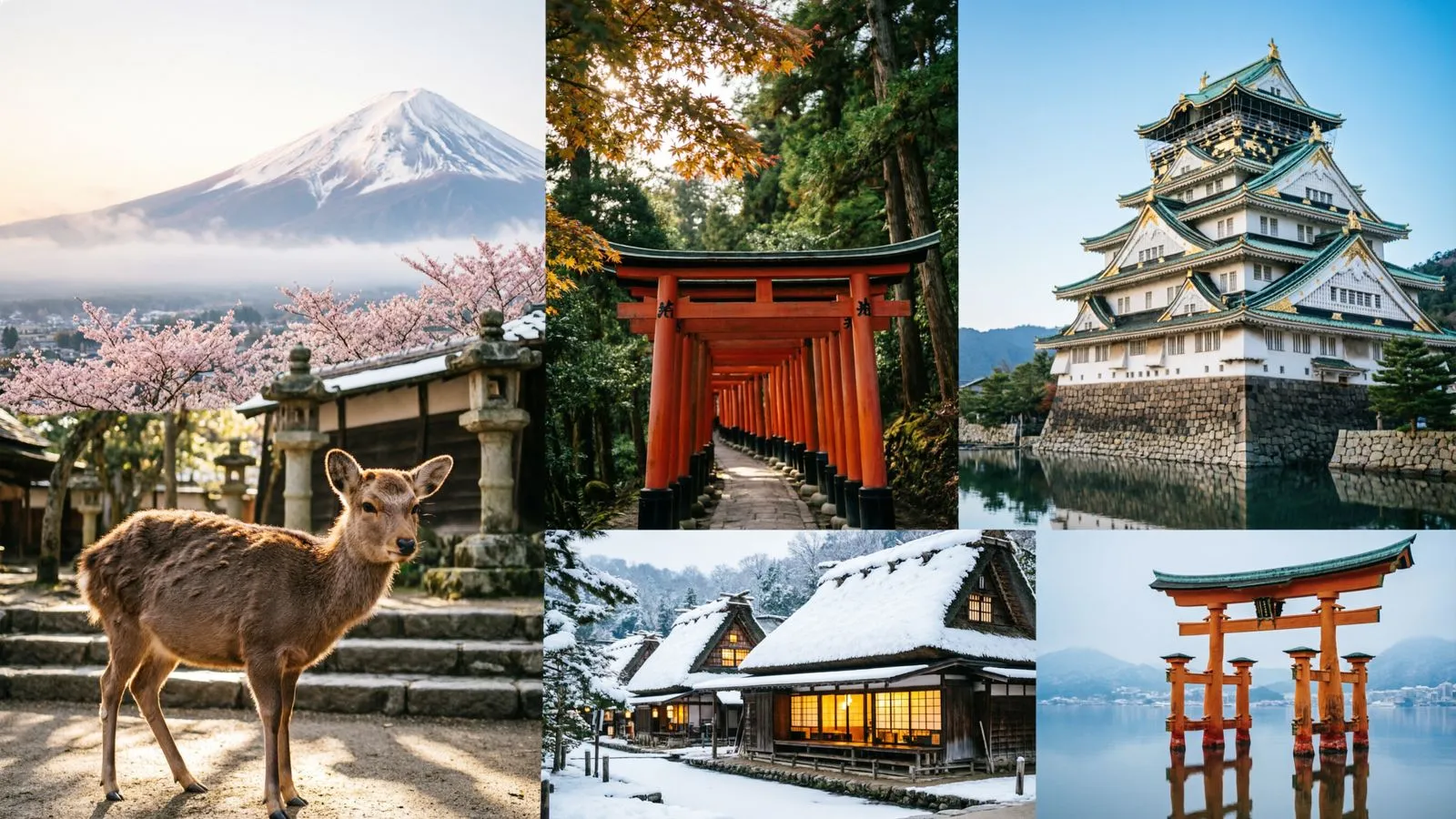
Japan has a way of making every trip feel different. One day you can be walking through a quiet temple garden, and the next you’re surrounded by Tokyo’s bright lights and busy streets. The best places to visit in Japan include Tokyo, Kyoto, Osaka, Nara, Hakone, Hiroshima, Miyajima, Himeji, Kanazawa, and Mt. Fuji. Together, they give first-time visitors a good mix of cities, culture, history, food, and scenery.
Quick Answer:
For a first trip, focus on Tokyo, Kyoto, and Osaka, then add one or two destinations depending on your time. Nara and Hakone are easy additions, while Hiroshima and Miyajima are worth the longer journey. Himeji and Kanazawa are good choices if you want to see more of Japan without packing your itinerary too tightly.
10 Best Places to Visit in Japan
1. Tokyo
Best for: First-time visitors, food, shopping, nightlife
Time needed: 3–4 days
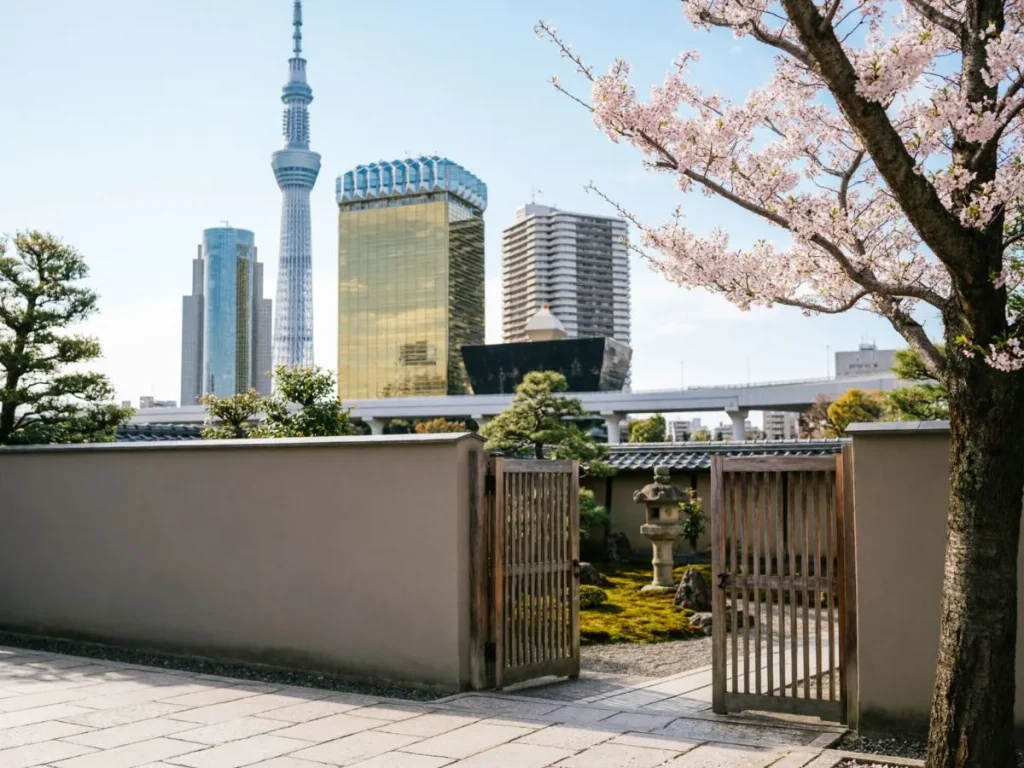
Tokyo is the easiest place to start a Japan trip. Explore the energy of Shibuya and Shinjuku, then slow down around Asakusa and Senso-ji. There is also an incredible range of Japanese food, from small neighborhood restaurants to high-end dining.
2. Kyoto
Best for: Temples, gardens, traditional culture
Time needed: 2–3 days
Kyoto is the place to experience Japan’s traditional side. Fushimi Inari, Kiyomizu-dera, Arashiyama, Gion, and its historic streets can easily fill several days. Try not to rush through the city; some of its best moments come from simply walking between the major sights.
3. Osaka
Best for: Food, nightlife, entertainment
Time needed: 2 days
Osaka feels more casual and lively than Kyoto. Dotonbori is the obvious stop for its bright signs and food, but the city has plenty more to offer, including Osaka Castle and Kuromon Market. It is also a convenient base for Kyoto, Nara, and Himeji.
4. Nara
Best for: History, temples, families
Time needed: 1 day
Nara is an easy day trip from Kyoto or Osaka. Walk through Nara Park, see the famous deer, and visit Todai-ji and its enormous Buddha. A full day is enough for the main sights.
5. Hakone
Best for: Hot springs, mountain scenery, Mt. Fuji views
Time needed: 1–2 days
Hakone is a natural break from Japan’s busy cities. Stay in a ryokan, enjoy an onsen, and explore Lake Ashi and the surrounding mountains. On a clear day, you may also get beautiful views of Mt. Fuji.
6. Hiroshima
Best for: History, culture, food
Time needed: 1–2 days
Hiroshima’s history is an important part of any visit. The Peace Memorial Park and Atomic Bomb Dome are the key sites, but the city also has gardens, local food, and a pleasant waterfront atmosphere. It is also the main gateway to Miyajima.
7. Miyajima
Best for: Island scenery, shrines, photography
Time needed: 1 day
Miyajima is known for Itsukushima Shrine and its famous torii gate, which appears to float above the water at high tide. You can visit on a day trip from Hiroshima, although staying overnight lets you experience the island after the main crowds have gone.
8. Himeji
Best for: Castles and Japanese history
Time needed: Half or full day
Himeji Castle is one of Japan’s most impressive historic landmarks and a UNESCO World Heritage site. Because Himeji is on the Shinkansen route, it makes an easy stop between major cities. The nearby Koko-en Garden is worth adding if you have time.
9. Kanazawa
Best for: Gardens, crafts, traditional neighborhoods
Time needed: 1–2 days
Kanazawa offers a quieter cultural experience than Kyoto. Kenrokuen Garden, historic districts, traditional crafts, and excellent seafood are its main attractions. It is a good option for travelers who want to get beyond Japan’s most crowded tourist route.
10. Mt. Fuji
Best for: Mountain scenery, photography, hiking
Time needed: 1–2 days
You don’t have to climb Mt. Fuji to enjoy it. The Fuji Five Lakes region and viewpoints around Hakone offer some of the best ways to see the mountain. If you do climb, remember that Mt. Fuji reaches 3,776 meters, so altitude sickness is something to take seriously.
Best Time to Visit Japan
Spring and fall are generally the most comfortable seasons for sightseeing. Spring brings cherry blossoms, while fall is known for colorful foliage. Summer can be hot and humid but is lively with festivals, and winter is a good choice for snow, skiing, and hot springs.
October is particularly pleasant for exploring Japan’s major cities. Average October highs are around 22°C in Tokyo and about 23°C in Kyoto and Osaka, although mornings and evenings can be cooler.
Visiting Japan During Christmas Week
Christmas is celebrated in Japan, but it is not the country’s main family holiday. December can still be a lovely time to visit, with winter illuminations and seasonal events.
The bigger travel period is New Year. December 29 through January 3 is typically one of the busiest holiday periods, and some businesses and attractions may close. If your trip overlaps Christmas and New Year, reserve accommodation and long-distance trains early and check holiday opening hours before visiting attractions.
Getting Around Japan
Japan’s rail network makes multi-city travel relatively straightforward. Use the Shinkansen for longer journeys and local trains or subways within cities.
A practical first-trip route is:
Tokyo → Hakone → Kyoto → Nara → Hiroshima/Miyajima → Osaka
Himeji can be added between Hiroshima and Osaka without creating much backtracking.
Where to Stay
- Tokyo: Shinjuku, Shibuya, or Asakusa
- Kyoto: Downtown, Gion, or Kyoto Station
- Osaka: Namba or Umeda
- Hakone: A ryokan with an onsen
- Hiroshima: Near Hiroshima Station or Peace Memorial Park
For a more traditional experience, consider spending one night in a ryokan.
How Many Days Do You Need?
7 days: Tokyo, Kyoto, and Osaka
10 days: Add Hakone and Nara
14 days: Add Hiroshima, Miyajima, and Himeji
With more than two weeks, you can look beyond the classic route and add Kanazawa, Hokkaido, Okinawa, or other regional destinations.
What to Pack for Japan
Comfortable walking shoes are essential because you’ll likely spend a lot of time on foot. Pack lightweight layers, a compact umbrella, a portable charger, and clothing suited to the season. For October, layers work well because temperatures can change noticeably between morning and evening.
FAQs
What is the best place to visit in Japan for the first time?
Tokyo is the easiest starting point for most visitors, while Kyoto is the strongest choice for traditional culture.
Is 7 days enough for Japan?
Yes. Keep your trip to Tokyo, Kyoto, and Osaka rather than trying to cover too many places.
What is the most beautiful place in Japan?
Kyoto, Hakone, Miyajima, and the Mt. Fuji area are all excellent choices, depending on whether you prefer temples, mountains, or coastal scenery.
Is Japan expensive to visit?
Japan can suit different budgets. Hotels, transportation, and dining choices will have the biggest effect on your total spending.
Conclusion
Japan is easier to enjoy when you leave enough room to experience each place rather than racing through a long checklist. Start with Tokyo, Kyoto, and Osaka, then add destinations such as Nara, Hakone, Hiroshima, or Miyajima based on your interests. With extra time, Kanazawa and other regional destinations can show you a quieter side of the country.
Related posts
- Best Places to Visit in Sicily: 10 Must-See Towns & Coastal Escapes
- Best Places to Visit in Puerto Rico: 10 Must-See Places & Experiences
- Best Places in Puerto Rico: 10 Top Spots for Beaches, Nature & Culture

Mark Johanson is an experienced American travel journalist specializing in destinations, adventure, and travel. He has written for major publications and co-authored numerous Lonely Planet travel guides covering destinations worldwide.
3 thoughts on “Best Places to Visit in Japan: 10 Beautiful Destinations”