
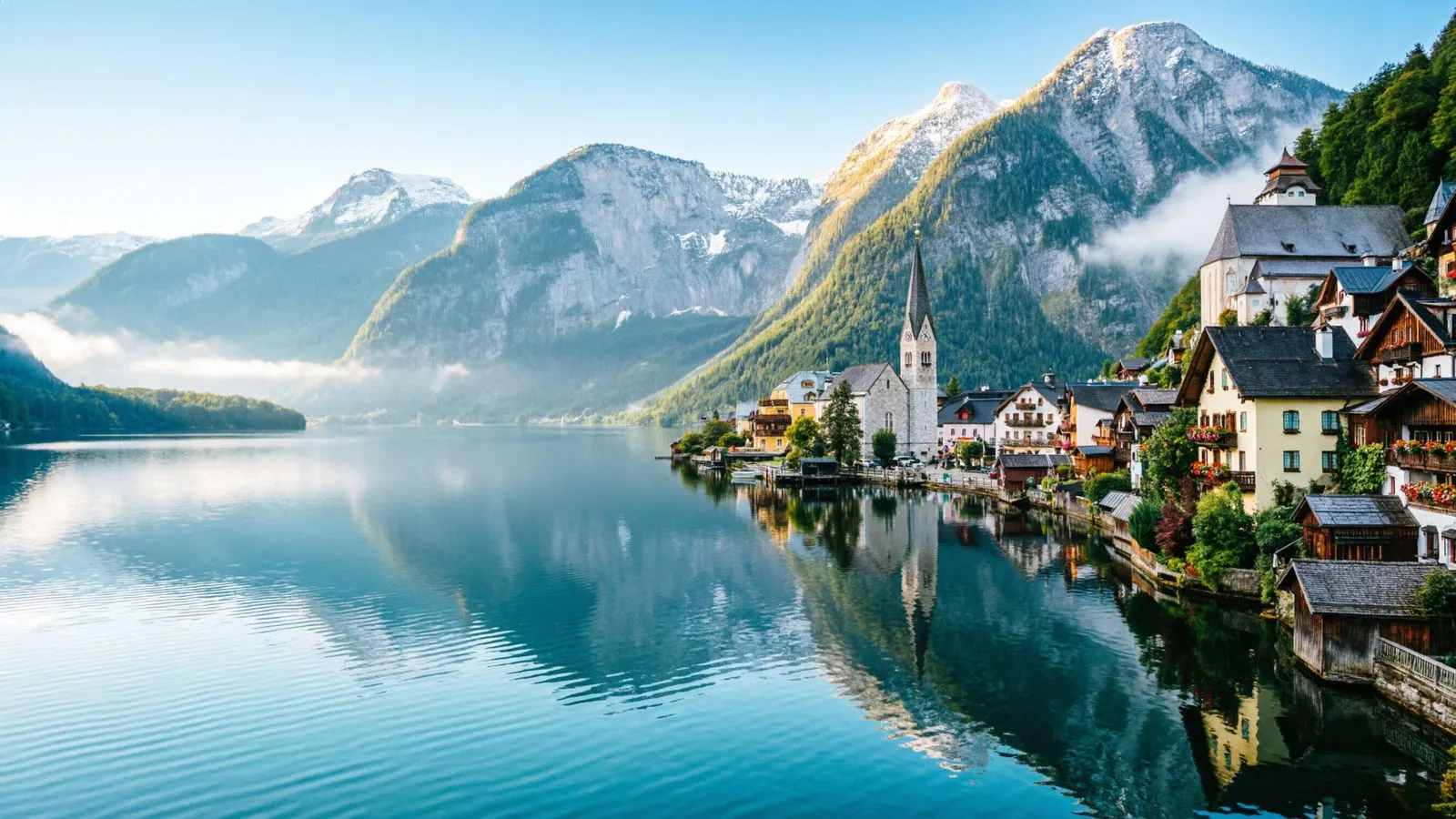
Planning a trip to Austria and wondering where to go beyond Vienna? Austria gives you much more than palaces and mountain views, with historic cities, lakeside villages, Alpine resorts, wine country, and traditional towns all within reach. The best places to visit in Austria include Vienna, Salzburg, Hallstatt, Innsbruck, Zell am See, Kitzbühel, Graz, the Wachau Valley, Bregenz, and the Tyrol Alps.
Quick Answer:
Choose Vienna for history and cafés, Salzburg for old-world charm, and Innsbruck for city-and-mountain scenery. Hallstatt and Zell am See suit lake lovers, while Graz and Wachau add food and culture. Kitzbühel, Bregenz, and Tyrol are better for Alpine scenery and quieter escapes.
1. Vienna

Vienna is the easiest place to start. See Schönbrunn Palace, the Hofburg, and St. Stephen’s Cathedral, then slow down in a traditional coffeehouse. The Ringstrasse and Prater offer an easy change of pace.
Typical October temperature: 45–59°F
Best for: History, art, food
Time needed: 2–3 days
2. Salzburg
Salzburg feels almost made for walking. Explore the Old Town, Hohensalzburg Fortress, Mirabell Gardens, and Mozart-related sights. A Sound of Music tour is an easy extra for interested travelers.
Typical October temperature: 43–57°F
Best for: Music, architecture, history
Time needed: 2 days
3. Hallstatt & the Salzkammergut
Hallstatt may be Austria’s most photographed village, but the wider Salzkammergut is what makes this region worth the trip. Lakes, mountain villages, viewpoints, and quiet roads give you more than a quick photo stop.
Typical October temperature: 41–55°F
Best for: Lakes, scenery, photography
Time needed: 2 days
4. Innsbruck
Innsbruck makes it easy to combine sightseeing with the Alps. Walk through the Old Town, see the Golden Roof, then take the Nordkette cable car for wide mountain views without leaving the city.
Typical October temperature: 39–57°F
Best for: Alps, city breaks, outdoor activities
Time needed: 2 days
5. Zell am See
Zell am See pairs a beautiful lake with dramatic mountains. You can walk beside the water, ride a cable car, or simply enjoy the setting. It works particularly well for travelers who want nature without sacrificing comfort.
Typical October temperature: 36–52°F
Best for: Lakes, mountain views, families
Time needed: 2–3 days
6. Kitzbühel
Kitzbühel has the feel of a classic Alpine resort, but its historic center gives it personality beyond skiing. Wander the colorful streets, explore nearby trails, and return for a relaxed evening. Winter turns the area into a major ski destination.
Typical October temperature: 36–52°F
Best for: Alpine towns, skiing, couples
Time needed: 2 days
7. Graz
Graz is a good choice when you want something beyond Austria’s most famous tourist stops. The Old Town, Schlossberg and Clock Tower, modern architecture, cafés, and food scene are easy to explore on foot.
Typical October temperature: 43–59°F
Best for: Food, culture, design
Time needed: 2 days
8. Wachau Valley
Follow the Danube through vineyards and historic towns, stopping in Dürnstein or at Melk Abbey. The Wachau works especially well as a relaxed day trip from Vienna, though staying overnight lets you enjoy it without rushing.
Typical October temperature: 43–57°F
Best for: Wine, scenery, day trips
Time needed: 1–2 days
9. Bregenz & Lake Constance
Bregenz offers a quieter western side of Austria. The lakefront is the main attraction, while the surrounding mountains add plenty of scenery. It is a good fit if you prefer a slower pace to Austria’s busier resort areas.
Typical October temperature: 43–57°F
Best for: Lakeside scenery, culture, quiet escapes
Time needed: 1–2 days
10. Tyrol Alps
For a deeper mountain experience, explore Tyrol beyond one resort town. Alpine villages, hiking valleys, cable cars, and high peaks create a much more immersive trip. Summer suits hiking; winter brings skiing and snow activities.
Typical October temperature: 34–54°F in higher areas
Best for: Hiking, mountain scenery, winter sports
Time needed: 2–3 days
Best Time to Visit + Christmas Week Planning
Austria changes with the seasons. Summer is ideal for lakes and hiking, winter for skiing and Christmas markets, while spring and autumn are comfortable for city trips.
October is cooler and mountain weather can change quickly. December brings festive markets and lights, especially in Vienna and Salzburg. Around December 24–26 and New Year, some attractions change their opening hours, so check schedules and reserve popular hotels early.
Getting Around
Austria is easy to explore by train. Major cities such as Vienna, Salzburg, Innsbruck, and Graz are well connected, while a car is more useful for rural valleys and lake regions.
A practical route is Vienna → Salzburg → Hallstatt → Innsbruck. Add Wachau or Zell am See depending on your interests.
Altitude note: Alpine areas can be much colder than Vienna, and temperatures drop quickly as you gain elevation, so pack layers.
Where to Stay
Stay central in Vienna and Salzburg for sightseeing. Innsbruck is convenient for mountain access, Hallstatt for lakeside scenery, and Zell am See for an Alpine stay. In Tyrol, choose a village close to the activities you plan to do.
How Many Days?
3 days: Vienna or Salzburg with one nearby trip.
5–7 days: Vienna, Salzburg, Hallstatt, and one Alpine area.
8–10 days: Add Innsbruck, Graz, Wachau, or extra mountain time.
What to Pack
Bring comfortable walking shoes, warm layers, a light waterproof jacket, and an umbrella. For October mountain trips, add warmer clothing and shoes with good grip.
FAQs
What is the best place to visit in Austria for a first trip?
Vienna is the easiest starting point, while Salzburg adds a smaller historic setting and quick Alpine access.
Is Austria easy to explore by train?
Yes. Trains connect most major cities and many popular tourist regions.
Is October a good time to visit Austria?
Yes, especially for cities and scenic trips. Alpine weather is cooler and less predictable.
How many days do you need in Austria?
Seven days works for a focused trip; eight to ten days gives you more time for cities and mountains.
Conclusion
Austria is easiest to enjoy when you combine city experiences with the outdoors. Vienna and Salzburg bring history and culture, while Hallstatt, Zell am See, Innsbruck, and Tyrol add the Alpine scenery. Give each stop enough time, keep the route practical, and the trip feels relaxed rather than rushed.
Related Posts
- Best Places to Visit in Sicily: 10 Must-See Towns & Coastal Escapes
- Best Places to Visit in Puerto Rico: 10 Must-See Places & Experiences
- Best Places in Puerto Rico: 10 Top Spots for Beaches, Nature & Culture